What Makes an Excellent Home Health Aide?
Personal Care Services: Supporting Daily Living Needs
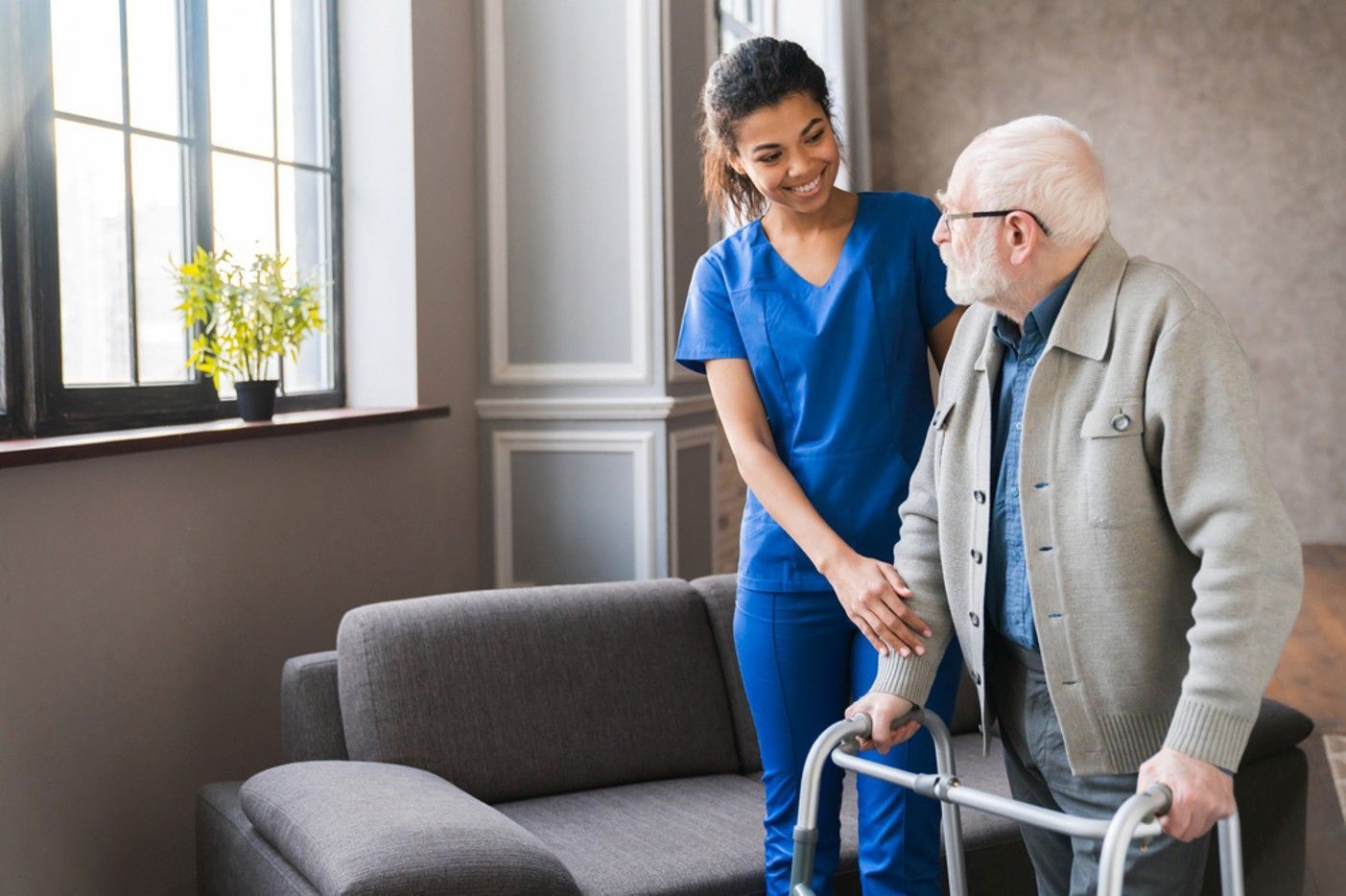
A primary responsibility of home health aides is to help clients maintain their dignity and independence by assisting with essential daily activities. Many individuals require assistance due to aging, illness, or disability, and a well-trained personal aide ensures they can live comfortably in their own homes. Key personal care services include:
- Bathing, Grooming, and Toileting: Helping clients with personal hygiene not only promotes health but also boosts confidence and well-being.
- Dressing and Personal Hygiene: Ensuring clients feel comfortable and presentable in their daily routines.
- Meal Preparation and Feeding Assistance: Preparing nutritious meals tailored to dietary restrictions and assisting with feeding if needed.
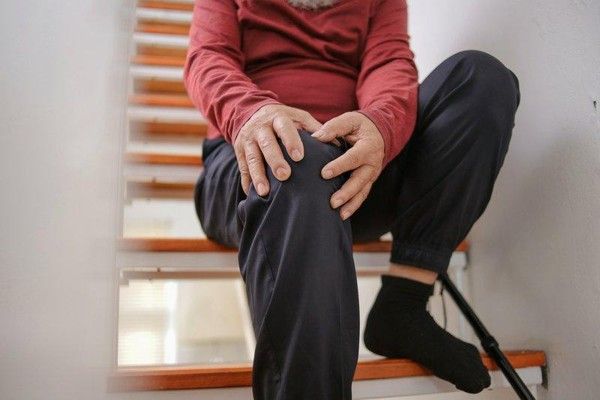
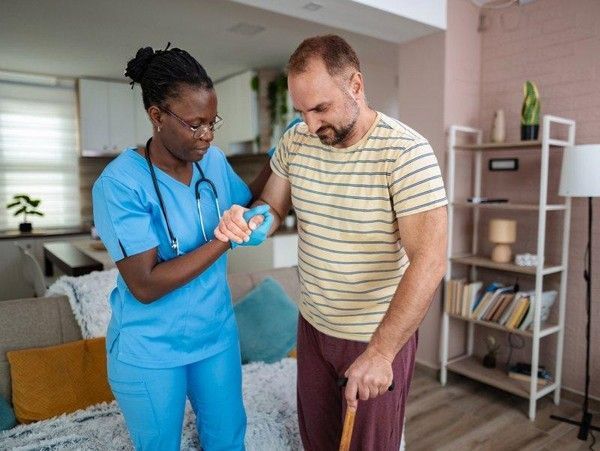
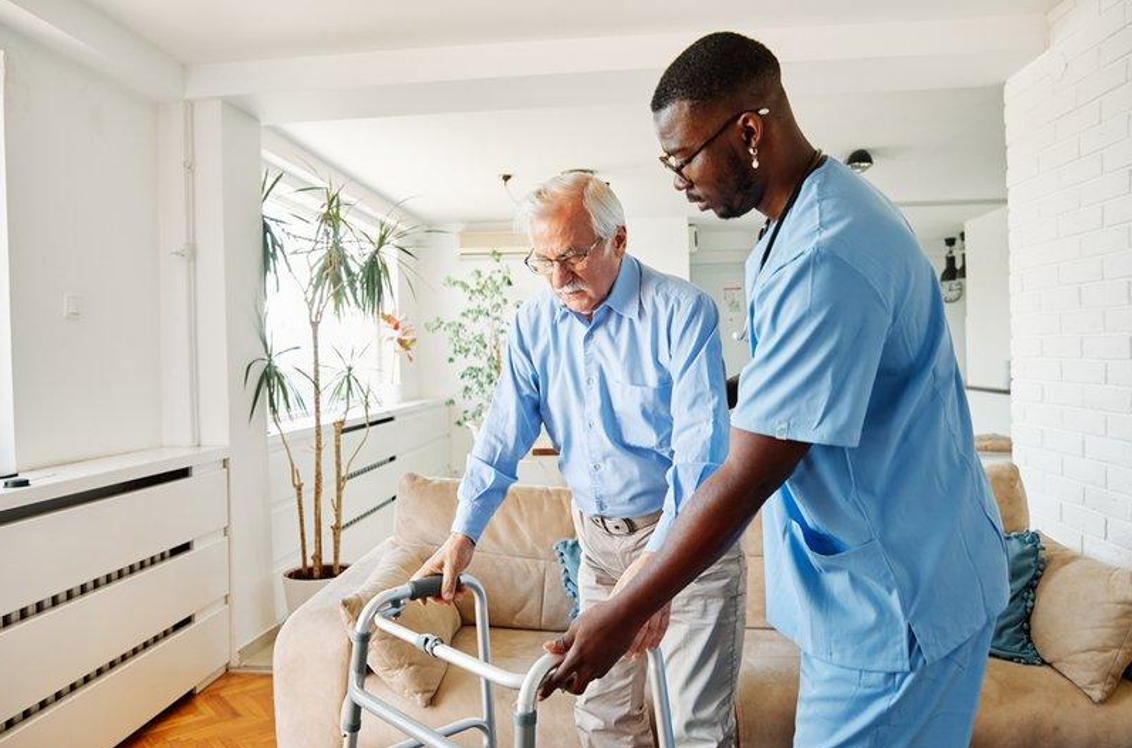
- Medication Reminders and Mobility Support: Ensuring medications are taken on schedule and assisting with mobility to prevent falls and injuries.
By assisting with these tasks, personal aides enhance the quality of life for their clients, making daily routines easier and more manageable.

Companionship: More Than Just Physical Care
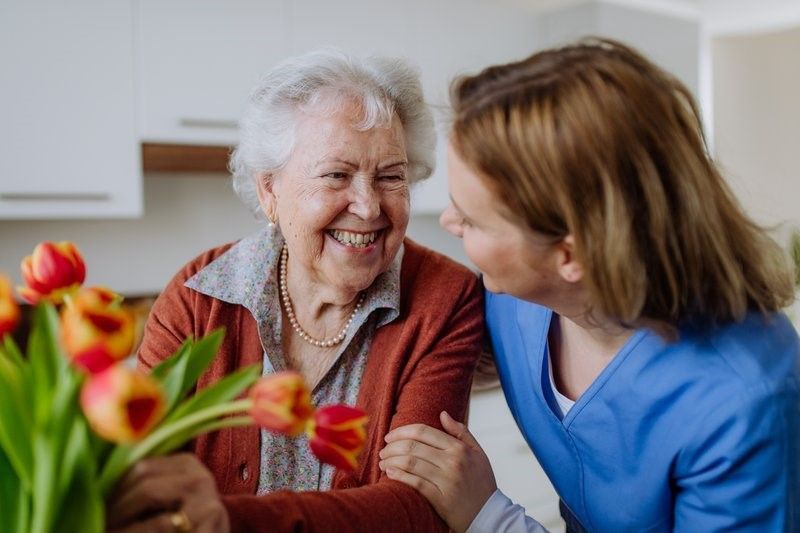
Emotional well-being can be just as important as physical health, and home health aides play a crucial role in providing companionship and emotional support. Many individuals receiving home care experience loneliness, especially seniors or those with limited mobility. A caring personal aide can make a significant difference by offering social engagement and meaningful interaction. Ways home health aides provide companionship include:
- Conversation and Social Engagement: Engaging in meaningful discussions to foster mental stimulation and emotional connection.
- Reading Together and Encouraging Mental Activity: Keeping the mind sharp by reading books, newspapers, or discussing current events.
- Walking, Shopping, and Running Errands: Encouraging physical activity and maintaining an active lifestyle.
- Playing Games and Participating in Hobbies: Helping clients enjoy their favorite pastimes and introducing new activities for enrichment
Companionship is an essential part of personal aide jobs, as it enhances emotional resilience and overall happiness for clients.
Home Support Services: Creating a Comfortable Environment
A clean and organized home contributes to better health and overall well-being. Home health aides assist with household tasks to ensure a safe and comfortable living environment for their clients. Home support services may include:
- Laundry and Making Beds: Ensuring clients have fresh linens and clean clothing.
- Vacuuming and General Housekeeping: Keeping the home tidy and free from hazards.
- Meal Preparation and Nutritional Guidance: Preparing balanced meals and ensuring dietary needs are met.
- Organizing and Decluttering: Creating a safe, accessible space for easy movement.
By handling these daily tasks, home health aides help reduce stress for clients and their families while ensuring a nurturing home environment.
Respite Care: Supporting Families and Caregivers
Caring for a loved one can be incredibly rewarding, but it also requires significant time and effort. Family caregivers often experience burnout, making respite care a valuable service. Respite care provides temporary relief, allowing primary caregivers to take a break while ensuring their loved ones continue to receive quality care. Key benefits of respite care include:
- Short- or Long-Term Care: Providing coverage when primary caregivers are unavailable.
- Comprehensive Personal Care, Companionship, and Home Support: Ensuring that all aspects of care are maintained in the caregiver’s absence.
- Peace of Mind for Families: Giving caregivers the confidence that their loved ones are in capable, compassionate hands.
For individuals seeking personal aide jobs, offering respite care services is an opportunity to make a meaningful impact on both clients and their families.
Essential Qualities of an Excellent Home Health Aide
To excel in personal aide jobs, individuals must possess a unique blend of technical skills and personal attributes. The most successful home health aides share these qualities:
- Compassion and Patience: Understanding clients’ needs and providing care with empathy.
- Strong Communication Skills: Clearly conveying information and actively listening to clients.
- Reliability and Dependability: Being punctual and committed to providing consistent, quality care.
- Attention to Detail: Monitoring clients’ health conditions and recognizing changes in well-being.
- Adaptability: Adjusting care approaches based on clients’ evolving needs.
By embodying these qualities, personal aides can create meaningful connections with clients while ensuring their health and comfort.
The Impact of a Dedicated Home Health Aide
The key to excellent home health care lies in compassionate, well-trained aides who provide both physical assistance and emotional support. Whether assisting with daily personal care, offering companionship, maintaining a clean home, or providing respite care, a dedicated home health aide plays a critical role in enhancing a client’s quality of life.
For those looking for personal aide jobs, this career offers an opportunity to make a profound difference in people’s lives. With the right skills, empathy, and dedication, home health aides can provide invaluable support to clients and their families, helping them live with dignity, comfort, and joy.
The key to excellent home health care lies in compassionate, well-trained aides who provide both physical assistance and emotional support. Whether assisting with daily personal care, offering companionship, maintaining a clean home, or providing respite care, a dedicated home health aide plays a critical role in enhancing a client’s quality of life.
Join CritiCare as a Personal Home Health Aide
If you’re looking for meaningful work where you can make a real difference in people’s lives, consider joining CritiCare. We are always looking for compassionate and dedicated individuals to provide exceptional home care services.
Start your journey in personal aide jobs today and help improve the quality of life for those in need.
Apply now and become part of a team that values care, empathy, and excellence.