How Insurance Distinguishes Between Skilled and Non-Skilled Care
Navigating home care coverage can feel confusing because insurance companies use specific medical standards when reviewing services. Skilled and non-skilled care are evaluated differently because each serves a different purpose and requires a different level of expertise. Knowing how insurance distinguishes between these services helps families make informed decisions and better prepare for the approval process.
Insurance coverage depends on much more than a diagnosis alone. Reviewers examine medical records, physician documentation, and the type of care a person requires before approving services. Learning how these decisions are made can reduce confusion and help families access the appropriate level of support.
How Insurance Reviews Skilled and Non-Skilled Care
Insurance companies use established clinical guidelines to determine whether home care services qualify as skilled care. Their review focuses on whether a person's condition requires professional medical judgment that cannot safely be provided by someone without clinical training. Every decision is based on medical necessity rather than convenience.
During the review process, insurance reviewers look for several important factors that demonstrate the need for skilled services. These requirements help determine whether care should be covered under home health benefits or whether another program may be more appropriate.
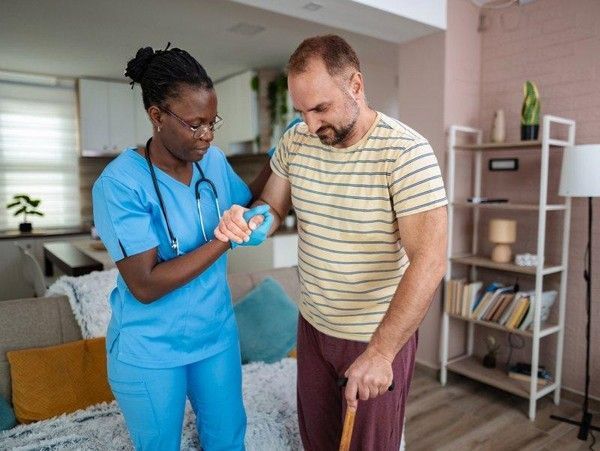
Insurance reviewers commonly evaluate:
- Clinical complexity
- Safety risks without skilled intervention
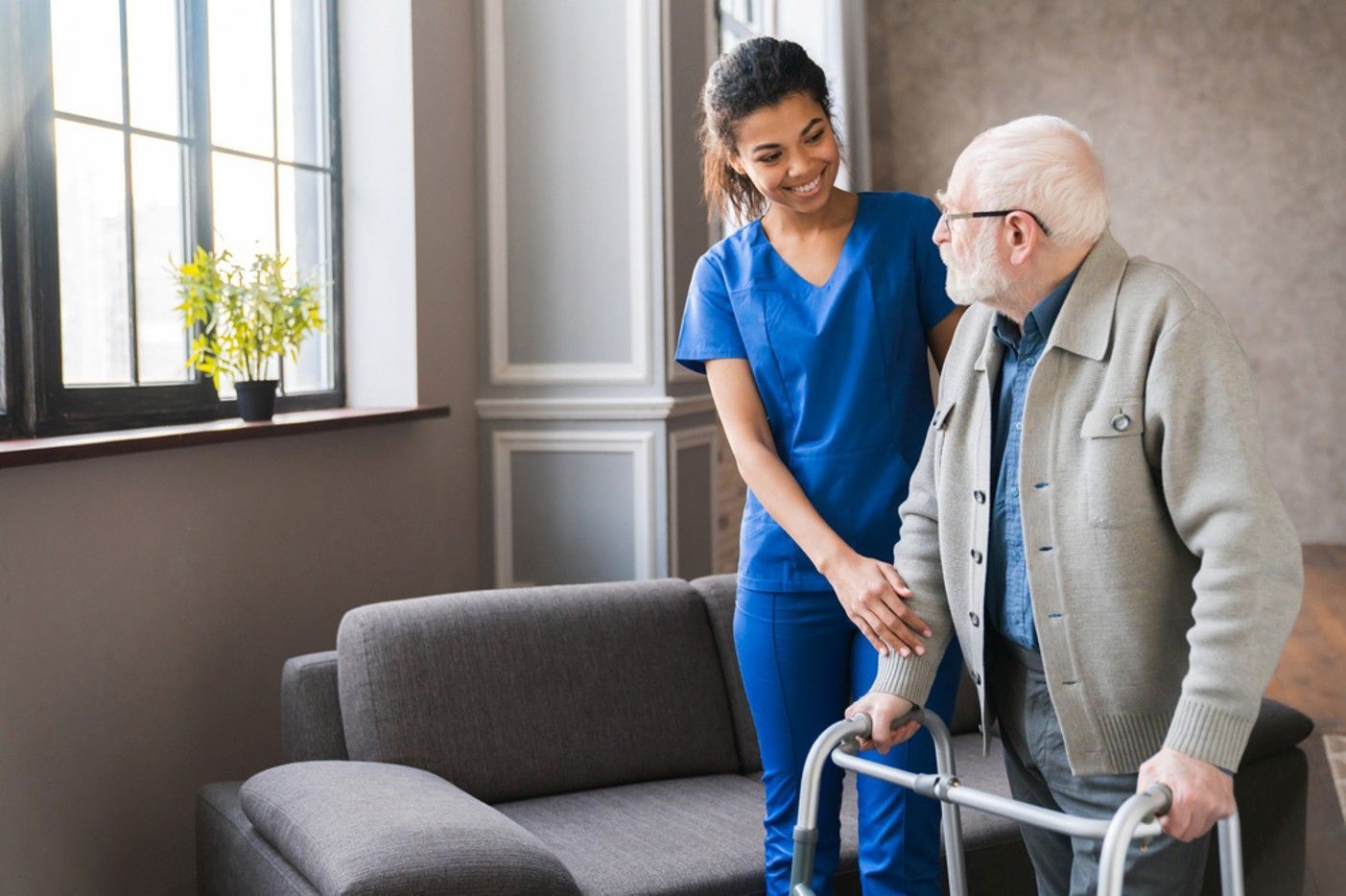
- The need for assessment by an RN, LPN, or therapist
- Medical instability or a recent hospitalization
- Tasks that require professional training
These factors help distinguish skilled care from non-skilled care. If a task can be performed safely by a family caregiver, Home Health Aide (HHA), or Personal Care Aide (PCA), insurance generally classifies it as non-skilled care. Although these services remain valuable, they may not qualify for coverage under traditional home health benefits.
Why Skilled Care Requires a Physician Order
A physician order is one of the most important requirements for skilled home health services. Insurance providers require medical documentation showing that skilled care is necessary to treat or monitor a diagnosed condition. Without this documentation, skilled services cannot be approved or billed.
The physician's order connects the diagnosis, treatment plan, and expected clinical outcomes. It explains why an RN, LPN, or therapist must provide the service instead of a non-clinical caregiver. This documentation gives insurance companies the medical justification they need to review the request.
The physician also establishes clinical goals that guide treatment throughout the episode of care. These goals help clinicians measure progress and determine whether skilled services should continue. Updated physician documentation often becomes necessary when insurance reviews requests for additional visits.
How Skilled Care Works in Home Health
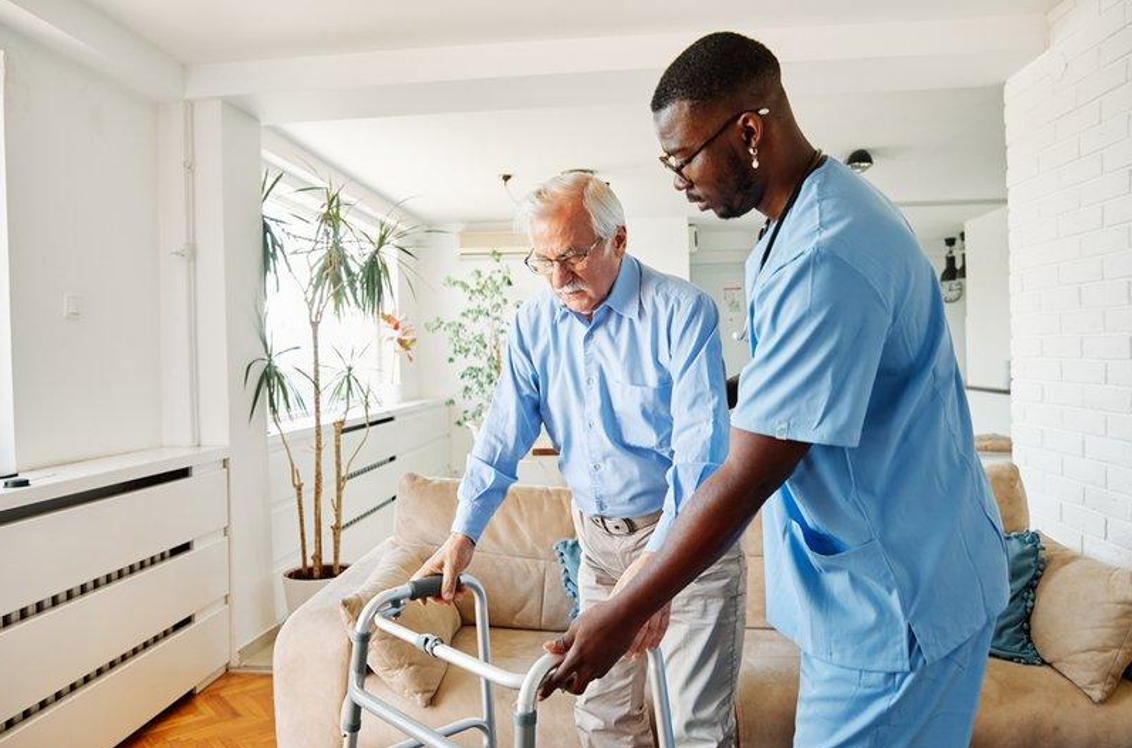
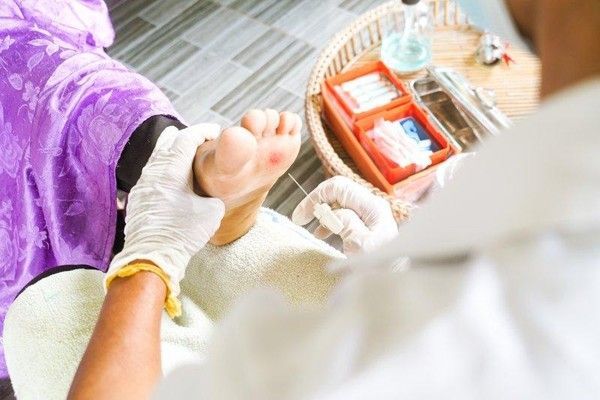
Home health services begin with a comprehensive assessment completed by an RN or therapist. This evaluation reviews the person's medical condition, current symptoms, functional abilities, medications, and overall health status. The assessment determines whether skilled care meets medical necessity requirements.
Following the assessment, clinicians develop an individualized care plan based on the physician's orders and clinical findings. The plan outlines treatment goals, visit frequency, and the specific services required to support recovery or manage ongoing medical conditions. Every aspect of the plan focuses on measurable clinical outcomes.
During home health visits, clinicians provide intermittent care while monitoring progress and responding to changes in the person's condition. They communicate with physicians when treatment adjustments become necessary and carefully document every visit. That documentation is submitted to insurance providers to support initial approval and future reauthorization requests.

How Non-Skilled Care Works in Personal Care Programs
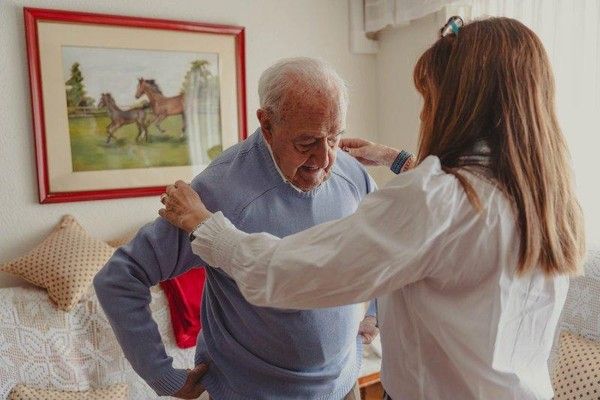
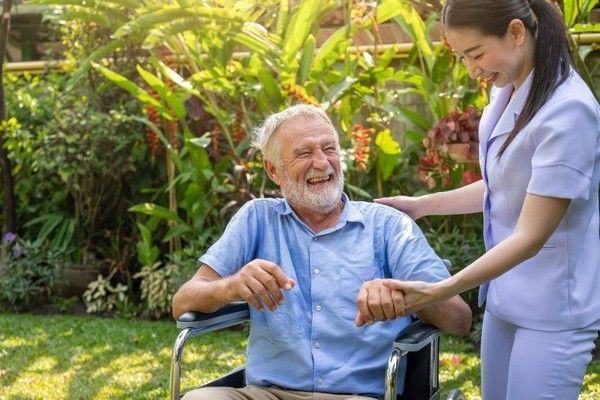
Non-skilled care serves a different purpose than skilled home health services. Instead of treating medical conditions, these services help individuals remain safe and independent while completing everyday activities. The focus is on practical assistance that improves daily quality of life. Common services include bathing and grooming assistance, light housekeeping, medication reminders, and companionship.
Many people receive non-skilled care because they need consistent help with personal routines rather than ongoing medical treatment. The number of service hours is based primarily on functional need instead of clinical complexity. This allows individuals to receive assistance that matches their daily living challenges.
Many Medicaid waiver programs help cover these services when individuals meet program eligibility requirements. Depending on a person's circumstances, non-skilled care may continue for an extended period because daily support needs often remain consistent over time. These services allow many people to continue living safely in their homes while maintaining greater independence.
Why Families Often Need Both
Many individuals benefit from receiving both skilled and non-skilled care simultaneously. Each service addresses different needs while supporting the same overall goal of improving health, safety, and quality of life. Together, they create a more complete care plan than either service could provide alone.
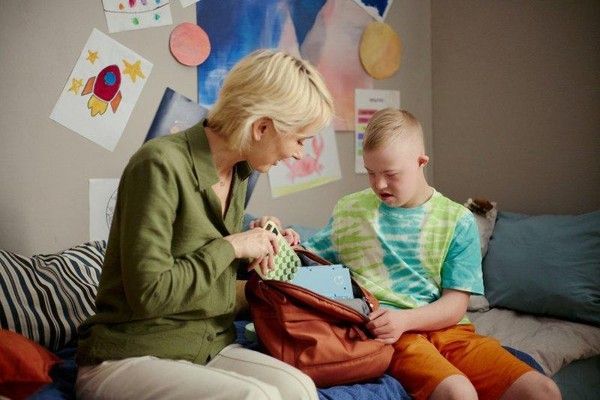
Skilled care helps stabilize medical conditions through clinical assessments, treatments, and ongoing monitoring. Non-skilled care provides assistance with daily activities that become difficult because of illness, injury, aging, or special needs. This combination allows medical professionals and caregivers to focus on their respective areas of expertise.
Receiving both services may also reduce caregiver fatigue and lower the risk of unnecessary hospitalizations. Regular clinical oversight allows medical concerns to be identified early, while daily personal care promotes a safer home environment. Coordinated support also creates greater consistency for everyone involved in the person's care.
How CritiCare Helps Families Understand the Difference
Determining whether someone needs skilled nursing, therapy services, or personal care can feel overwhelming without professional guidance. Every situation is unique, and selecting the appropriate level of care begins with a thorough clinical evaluation. Matching services to medical and functional needs helps families receive the right support from the beginning.
At CritiCare, we evaluate each person's condition to determine whether skilled nursing, therapy, or personal care services are appropriate. We coordinate closely with physicians to document medical necessity and support the insurance approval process. Our team also helps families understand Medicare, Medicaid, and waiver program requirements so they can access available benefits with greater confidence.
Learn how our team can help you navigate home care services and insurance options. Contact CritiCare today.