Skilled and Non-Skilled Care: A Clinical Breakdown
Choosing the right type of care can affect safety, recovery, and long-term health. Skilled and non-skilled care often work together, but each serves a different purpose. Knowing the difference helps families and care teams make informed decisions that match a person's medical and daily living needs.
Many people assume that all home care services provide the same level of support. In reality, some services require clinical expertise, while others focus on helping with everyday activities. The level of care depends on a person's medical condition, physician's orders, and functional abilities.
Why Skilled and Non-Skilled Care Matter
The distinction between skilled and non-skilled care affects treatment plans, insurance coverage, and patient outcomes. It also determines which caregivers are qualified to perform certain tasks safely. Understanding these differences also helps prevent delays in care and ensures that each person receives the appropriate level of support.
Receiving the appropriate level of care helps reduce avoidable hospital visits and supports recovery at home. It also ensures that medical conditions receive proper monitoring while daily needs continue to be met. When care plans match a person's needs, everyone involved can work toward better health outcomes.
What Skilled and Non-Skilled Care Means Clinically
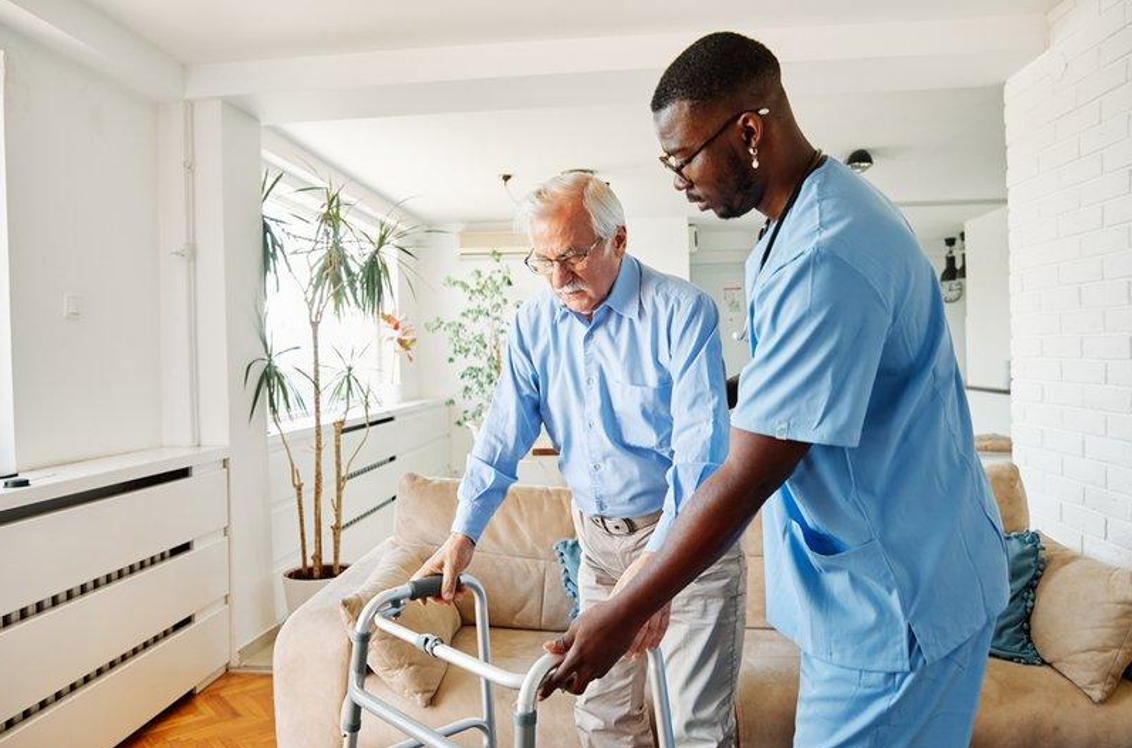
Medical professionals use the term "skilled care" to describe services that require clinical knowledge and professional judgment. These services cannot be safely performed by someone without medical training. They involve evaluating medical conditions, performing treatments, and responding to changes in a person's health.
A physician must determine that skilled care is medically necessary. The services must also require the expertise of an RN, LPN, physical therapist, or occupational therapist. Without these requirements, the services generally do not qualify as skilled care.
Insurance providers often review medical records before approving skilled services. Coverage depends on medical necessity, physician documentation, and whether the care requires clinical assessment or treatment. This process helps ensure that skilled services are reserved for situations where clinical expertise is essential.
Clinical Responsibilities in Skilled Care
Skilled care involves ongoing evaluation and medical decision-making. Clinicians continually assess changes in a person's condition and adjust care accordingly. They also communicate with physicians when treatment plans need to be updated.
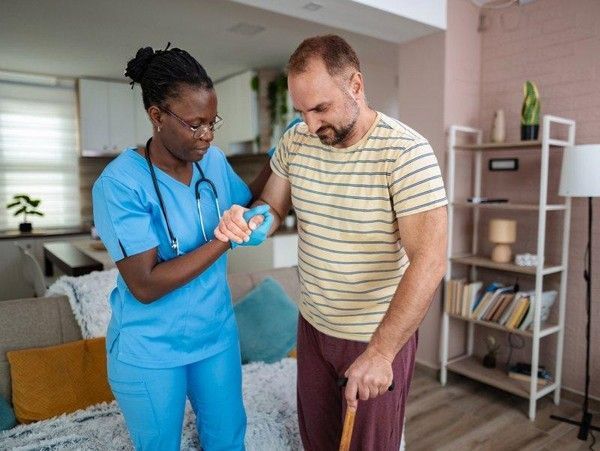
An RN or LPN may monitor symptoms, recognize complications, administer medications, and document clinical findings. Physical therapists and occupational therapists evaluate functional progress and modify therapy plans when needed. These responsibilities require professional judgment throughout the course of care.
Insurance Requirements for Skilled Care
Most insurance plans only cover skilled services when strict medical requirements are met. A physician must order the services, and documentation must show that the care requires clinical expertise. Coverage decisions are based on medical necessity rather than convenience.
Medicare commonly covers eligible skilled home health services under qualifying conditions. Coverage usually ends when the person no longer requires skilled interventions or no longer meets eligibility requirements. Other insurance providers may have different guidelines, so reviewing individual benefits is always important.
What Non-Skilled Care Means
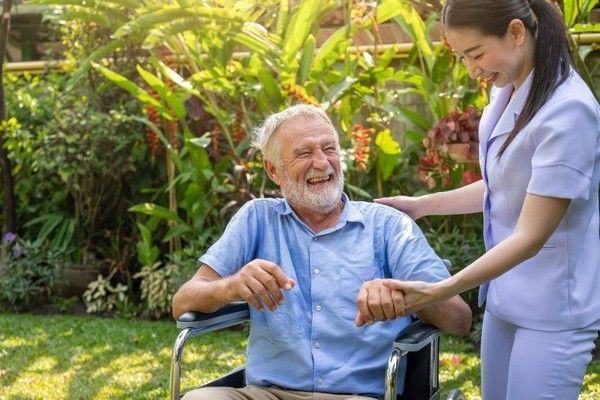
Non-skilled care focuses on helping people complete everyday activities safely and comfortably. These services improve quality of life while supporting independence at home. They also allow many individuals to remain in familiar surroundings instead of moving into another care setting.
Unlike skilled services, non-skilled care does not require clinical judgment. Home Health Aides (HHAs), Personal Care Aides (PCAs), and family caregivers often provide this type of assistance. Their support focuses on routine daily tasks rather than medical treatment.
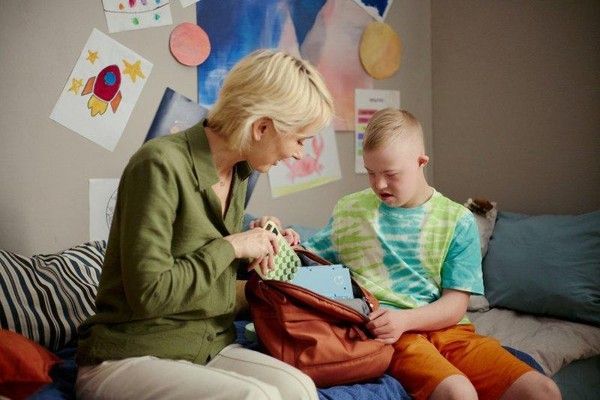
Many individuals receive non-skilled care for months or even years. Some need temporary help after an illness or hospitalization. Others rely on ongoing assistance because of aging, chronic conditions, or special needs.
Daily Support Provided Through Non-Skilled Care
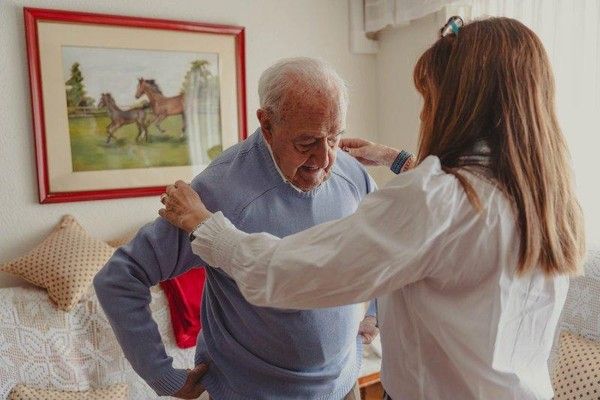
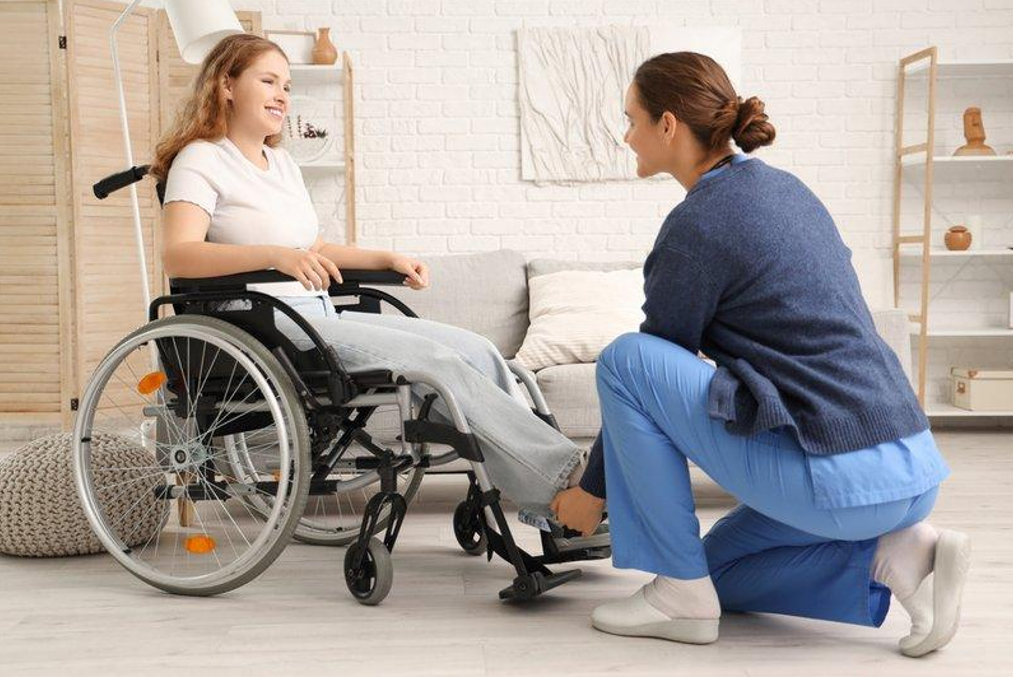
Non-skilled caregivers assist with activities that become difficult because of age, illness, injury, or special needs. Their support promotes comfort, safety, and independence throughout the day. These services also reduce stress for family members who provide care at home.
Although these tasks do not involve medical treatment, they play an important role in maintaining overall well-being. Consistent assistance helps reduce fall risks, supports healthy routines, and improves daily quality of life. It also allows family caregivers to focus on spending meaningful time with their loved ones.
Coverage for Non-Skilled Care
Medicare generally does not pay for ongoing non-skilled personal care by itself. However, many Medicaid waiver programs offer coverage for eligible individuals who require long-term assistance. Eligibility requirements vary by state and by program.
Private insurance, veterans' benefits, and private pay options may also help cover certain non-skilled services. Families should review available resources before making care decisions. A professional care assessment can also help determine which services may qualify for coverage.
Clinical Examples of Skilled and Non-Skilled Care
Seeing real-life examples makes the distinction between these services much easier to understand. Some situations require medical expertise, while others require help with routine daily activities. Matching the correct level of care improves safety and supports better health outcomes.
Examples of Skilled Care
Skilled care includes medical services that require assessment, treatment, monitoring, or specialized procedures. These tasks involve clinical judgment and cannot be safely delegated to someone without the appropriate medical training. They also require careful documentation and ongoing communication with the physician overseeing care.
Examples of skilled care include:
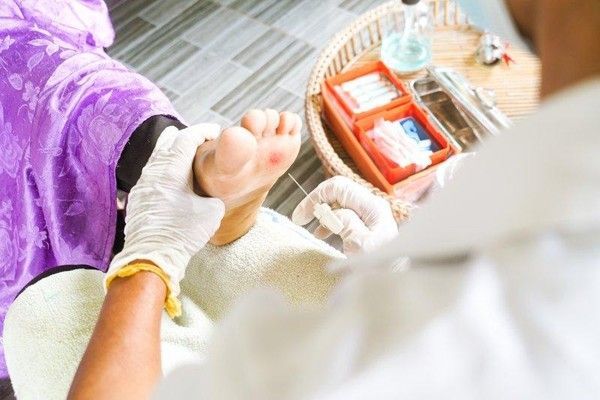
- Wound care
- G-tube management
- Tracheostomy care
- Ventilator support
- Respiratory treatments
- Medication administration involving complex regimens
- Skilled assessments for unstable heart failure
- COPD monitoring
- Diabetes management
- Seizure assessments
- Post-surgical monitoring
- Physical therapy interventions
- Occupational therapy interventions
- Teaching caregivers how to safely manage medical conditions
Each of these services requires an RN, LPN, physical therapist, occupational therapist, or another qualified clinician to evaluate progress and respond to changing medical needs. Regular assessments help identify complications early and support better recovery. Clinical oversight also helps ensure that treatment plans remain effective and appropriate.
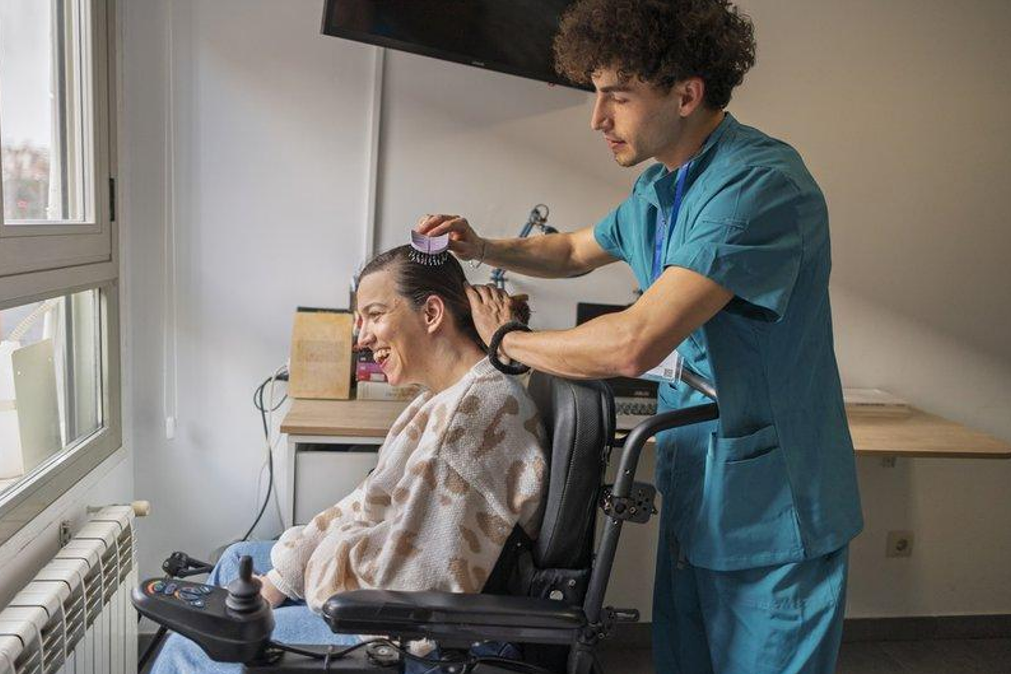
Examples of Non-Skilled Care
Non-skilled care focuses on assisting with routine daily activities rather than providing medical treatment. These services help people remain comfortable, safe, and independent while living at home. They also provide valuable support for families balancing caregiving responsibilities.
Examples of non-skilled care include:
- Bathing assistance
- Dressing assistance
- Grooming support
- Meal preparation
- Feeding assistance
- Light housekeeping
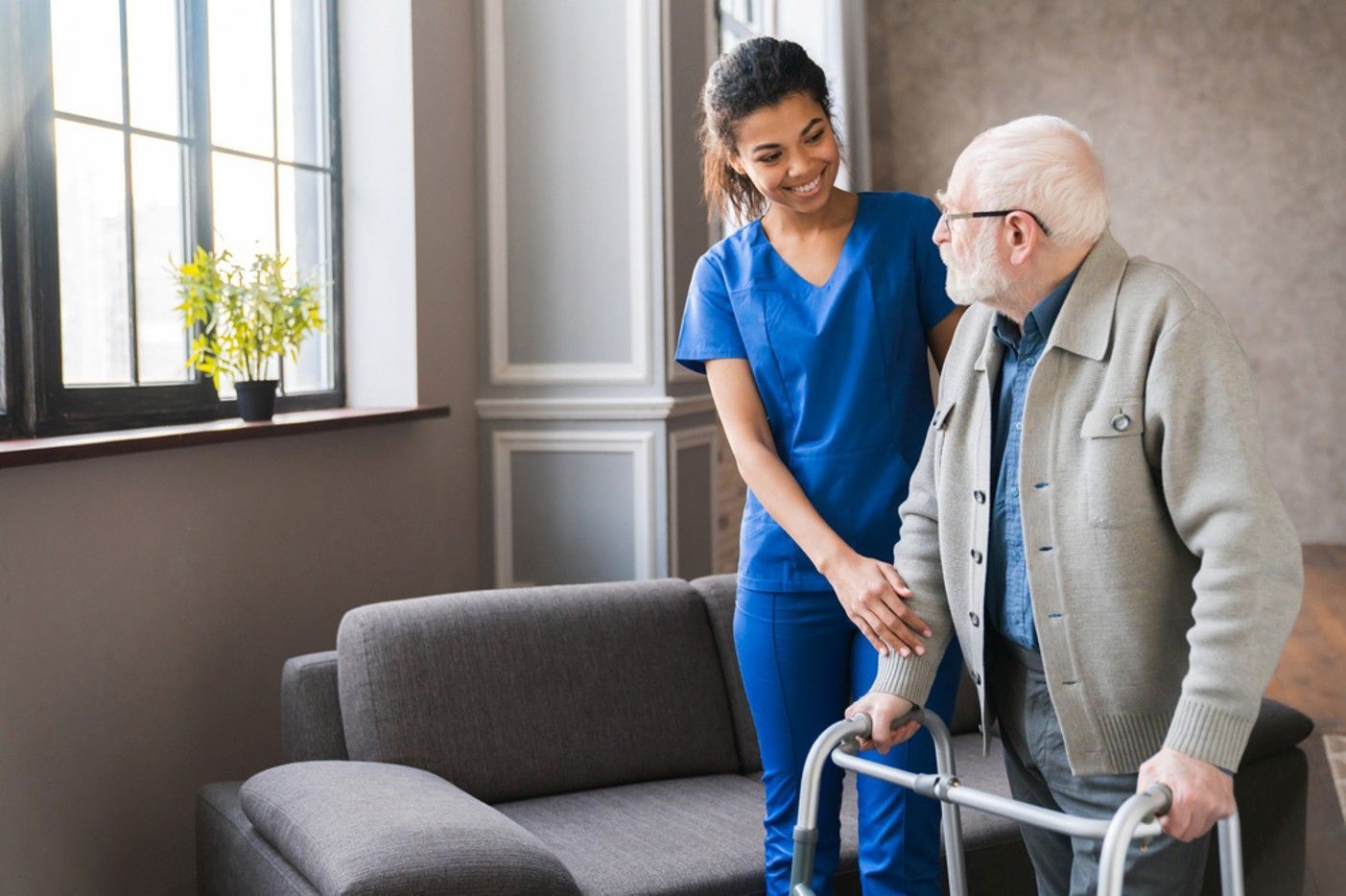
- Routine mobility assistance
- Companionship
- Supervision for safety
- Medication reminders
- Appointment reminders
- Assistance with everyday routines
While these services do not require clinical judgment, they contribute significantly to a person's overall quality of life. Reliable daily assistance helps maintain healthy habits and supports emotional well-being. It also creates a safer home environment for individuals who need ongoing support.
Skilled and Non-Skilled Care That Supports Better Outcomes
Choosing the correct level of care helps people receive the support they need while avoiding unnecessary services. Skilled care addresses medical conditions through clinical treatment, while non-skilled care provides essential assistance with everyday living. Together, these services help people remain safe, comfortable, and as independent as possible at home.
At CritiCare, we provide pediatric home care and nursing services, adult home nursing services, adult home care and personal services, and therapy services to help families access the support they need while maintaining quality care at home. Our RNs, LPNs, therapists, HHAs, and PCAs work together to deliver coordinated care that supports recovery, chronic disease management, and daily living.