When Is It Time to Request a Home Health Nurse?
Managing a health condition at home can become more challenging over time. A home health nurse can provide skilled care and support when medical needs become difficult to manage independently. Knowing when to request nursing services can help prevent complications and improve overall health outcomes.
Many people associate home health nursing with long-term illness. However, nursing services are often beneficial after a hospitalization, during recovery from an injury, or when managing a chronic condition. Early intervention can help patients remain safer and more comfortable in their homes while reducing the risk of avoidable hospital visits.
Signs a Home Health Nurse May Be Needed
Certain situations may indicate that skilled nursing services would be beneficial. One of the most common examples is the introduction of new medications.
Managing multiple medications can become complicated, especially when dosages change or new prescriptions are added. A home health nurse can help monitor for side effects, reinforce medication instructions, and communicate concerns to the patient's healthcare provider.
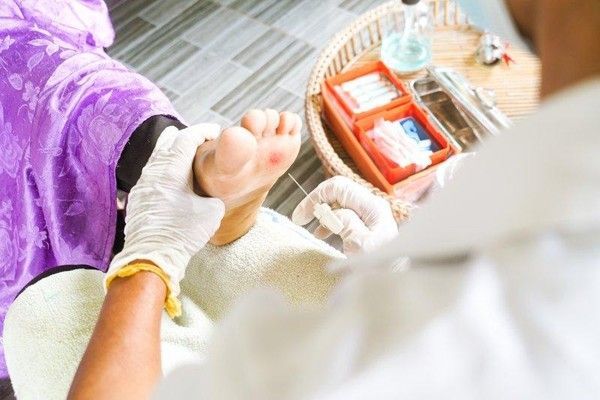
Wound care is another common reason nursing services may be recommended. Surgical incisions, pressure injuries, and chronic wounds often require ongoing monitoring and treatment. Proper wound care helps promote healing and reduce the risk of infection.
Recent hospitalization may also signal the need for skilled nursing support. The transition from hospital to home can be challenging. Patients often leave the hospital with new medications, treatment plans, and follow-up appointments. Nursing visits can help ensure those instructions are followed correctly.
Chronic disease flare-ups may also warrant additional support. Conditions such as heart disease, diabetes, chronic obstructive pulmonary disease, and other long-term illnesses often require close monitoring. Skilled nursing services can help identify changes in a patient's condition before they become serious.

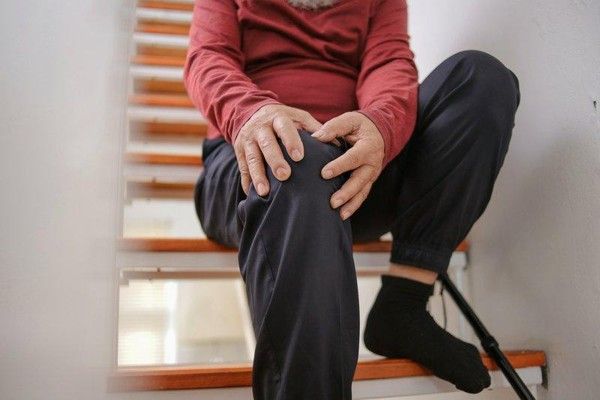
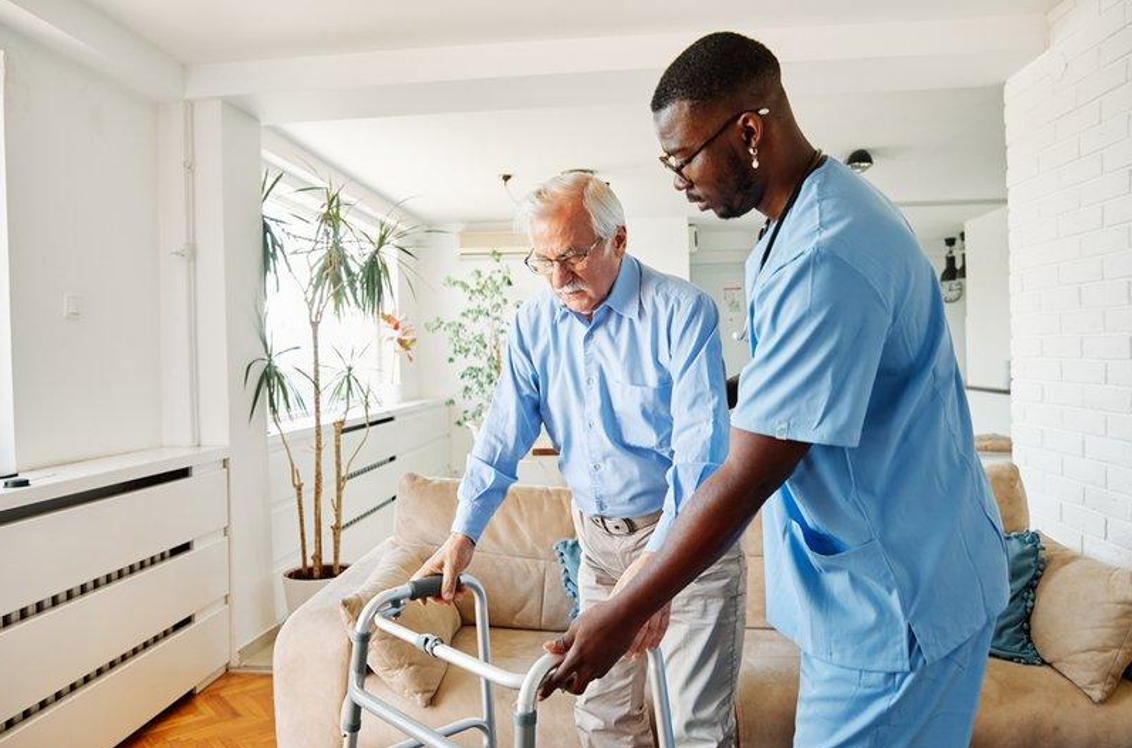
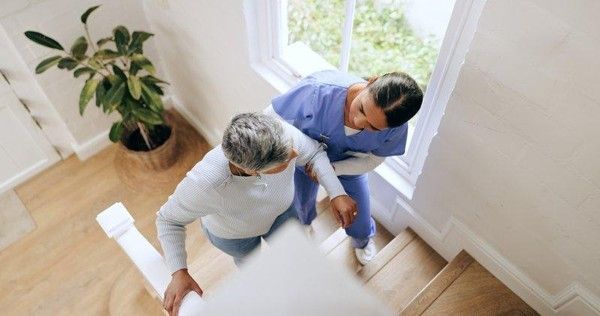
Difficulty managing healthcare needs independently is another important consideration. Missed medications, frequent falls, confusion about treatment plans, or worsening symptoms may indicate that additional support is needed.
How a Home Health Nurse Helps Prevent Complications
Early intervention often plays a key role in preventing health problems from worsening. A home health nurse provides ongoing assessment and monitoring that can help identify concerns before they require emergency care.
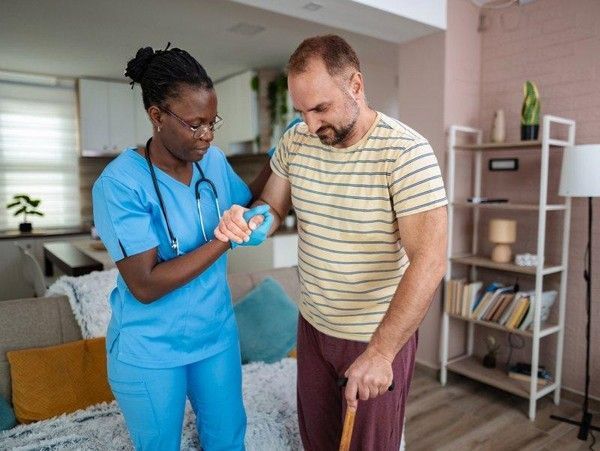
Routine nursing visits may include medication management, wound assessments, health education, and monitoring of vital signs. These services help patients stay on track with their treatment plans while providing an additional layer of oversight.
Patients recovering from illness or surgery often benefit from having a healthcare professional monitor their progress at home. Small changes in symptoms can sometimes indicate larger concerns. Prompt identification of those changes allows healthcare providers to respond more quickly.
Home health nursing also supports better communication between patients and physicians. Information gathered during nursing visits can help physicians make informed decisions about treatment and care planning. This coordinated approach can improve patient outcomes while reducing the likelihood of preventable complications.
How Home Nursing Services Can Help Reduce Hospital Readmissions
Hospital readmissions remain a concern for many patients with complex medical conditions. Returning to the hospital shortly after discharge can interrupt recovery and increase healthcare costs. One reason readmissions occur is that patients may struggle to manage their care after leaving the hospital. New medications, follow-up instructions, and lifestyle changes can feel overwhelming.
A home health nurse can help bridge the gap between hospital care and independent self-management. Through regular visits and ongoing support, nursing services can reinforce physician instructions and identify concerns early.
Patients who receive appropriate follow-up care often have an easier transition back to daily life. Monitoring symptoms and addressing issues promptly may help reduce the need for emergency care or rehospitalization. For many individuals, home health nursing provides reassurance during a period of recovery and adjustment.
Medicare Home Health Eligibility Requirements
Many patients wonder whether Medicare covers home health nursing services. Medicare may provide coverage for medically necessary home health services when specific requirements are met, such as the following:
A patient must be under the care of a physician who establishes and oversees the plan of care. Skilled nursing services or therapy services must be medically necessary for the patient's condition.
The patient must also meet Medicare's homebound requirement. In general, this means leaving home requires considerable effort or assistance due to illness or injury.
Services must be provided through a Medicare-certified agency.
When these criteria are met, Medicare may cover intermittent skilled nursing services, physical therapy, occupational therapy, and other qualifying home health services.
Coverage is designed to help patients improve their condition, maintain their current level of function, or slow further decline when appropriate. Physicians and home health providers can help determine eligibility and explain available services.
Additional Services That Support Home Nursing
Many patients benefit from a combination of nursing care and other supportive services. Physical therapy may help improve strength, balance, and mobility following illness, injury, or surgery.
Occupational therapy can help patients regain independence with daily activities. These services often work alongside nursing care to support recovery and improve quality of life.
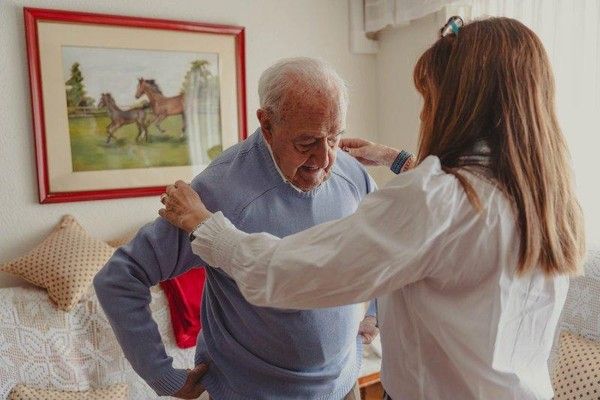
Adult home care and personal services may also assist with activities such as bathing, dressing, meal preparation, and other daily tasks. Together, these services create a comprehensive support system that addresses both medical and personal care needs.
Coordinated care helps patients remain in familiar surroundings while receiving the assistance necessary to support their health and safety.
Knowing When to Request a Home Health Nurse
Waiting until a medical condition becomes more severe can make recovery more difficult. Recognizing the signs that nursing support may be needed allows patients and families to take proactive steps toward better health management.
A home health nurse can provide valuable support after hospitalization, during wound healing, when medications change, or when chronic conditions become harder to manage. Skilled nursing services help promote stability, reduce complications, and support safer care at home.
At CritiCare, we provide
adult home nursing services,
therapy services, and
adult home care and personal services tailored to each patient's needs. Our RNs and LPNs work closely with physicians, patients, and families to support quality care in the home setting.
Reach out today.