How Home Health Care Helps Reduce Fall Risk for Seniors
Falls are one of the leading causes of injury among seniors, and many occur inside the home. Knowing how to reduce fall risk for seniors can help prevent serious injuries, avoid unnecessary hospitalizations, and support greater independence. Home health services play an important role by combining skilled nursing, therapy, and home safety assessments to address the factors that contribute to falls.
Many falls result from a combination of medical conditions, physical changes, medications, and environmental hazards. While some risks cannot be eliminated completely, many can be reduced through proper planning and professional support. Home health providers work closely with physicians and families to identify risks early and develop strategies that promote safer mobility at home.
Why It Is Important to Reduce Fall Risk for Seniors
A single fall can have lasting effects on a person's health and confidence. Broken bones, head injuries, and lengthy hospital stays often lead to reduced independence and a slower recovery. Even when no serious injury occurs, many seniors develop a fear of falling that limits their daily activities.
Reduced physical activity can weaken muscles and decrease balance over time. This creates a cycle that actually increases the likelihood of another fall. Early intervention helps break that cycle by addressing both physical limitations and safety concerns before an accident occurs.
Home health services provide personalized care that focuses on maintaining mobility while reducing preventable risks. Skilled clinicians evaluate each person's needs and recommend practical solutions that support safe movement throughout the home.
What Are Common Fall Hazards in the Home?
Many fall hazards are hidden within everyday living spaces. Identifying these risks is one of the first steps toward creating a safer home environment. Small changes often make a significant difference without requiring major renovations.
Common fall hazards include:
- Loose rugs
- Cluttered walkways
- Poor lighting
- Slippery bathroom floors
- Uneven steps
- Electrical cords across walking areas
- Frequently used items stored on high shelves
- Furniture that blocks clear walking paths
Physical therapists and occupational therapists evaluate the home environment during their assessments. They identify hazards that may not be immediately obvious to family members. Their recommendations often involve simple, low-cost improvements that increase safety without disrupting daily routines.
Installing brighter lighting, removing loose rugs, improving furniture placement, and adding non-slip surfaces are common recommendations. Therapists may also suggest grab bars in bathrooms or handrails along stairways. These adjustments help create a safer environment while allowing seniors to remain more independent.
How Home Health Helps Reduce Fall Risk
Reducing falls requires more than removing hazards from the home. Physical health, mobility, medication management, and daily routines all influence a person's risk. Home health services address these factors through a coordinated plan of care.
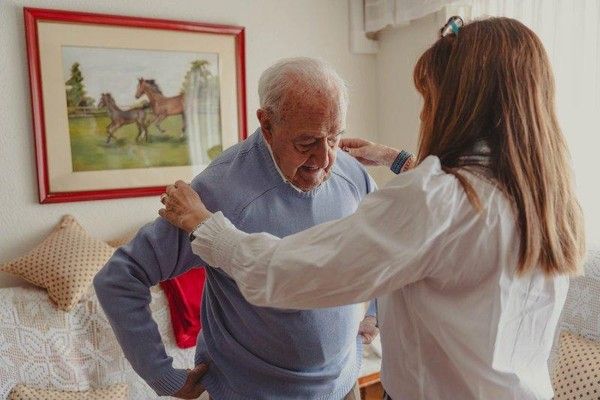
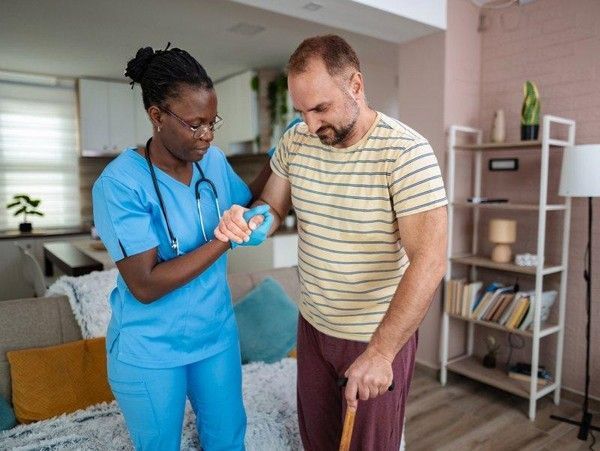
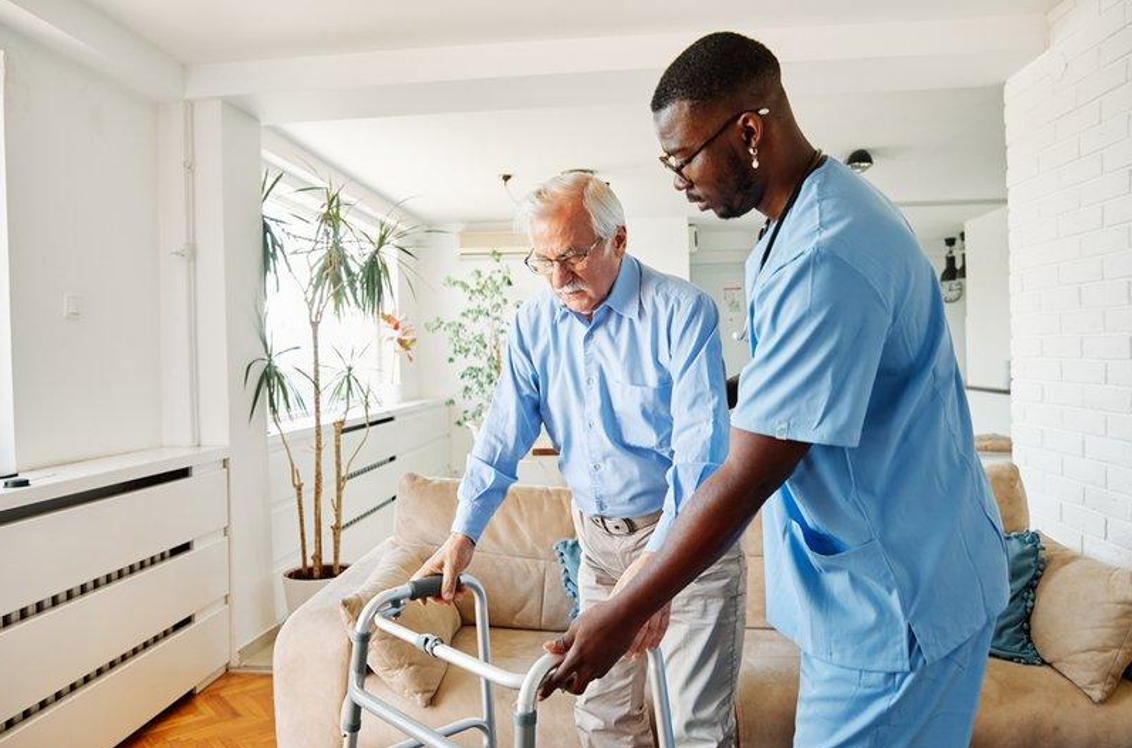
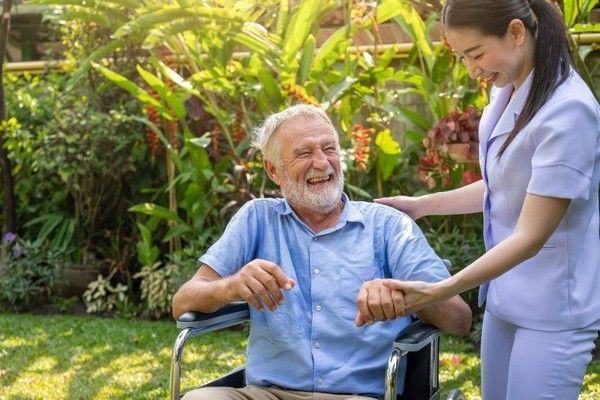
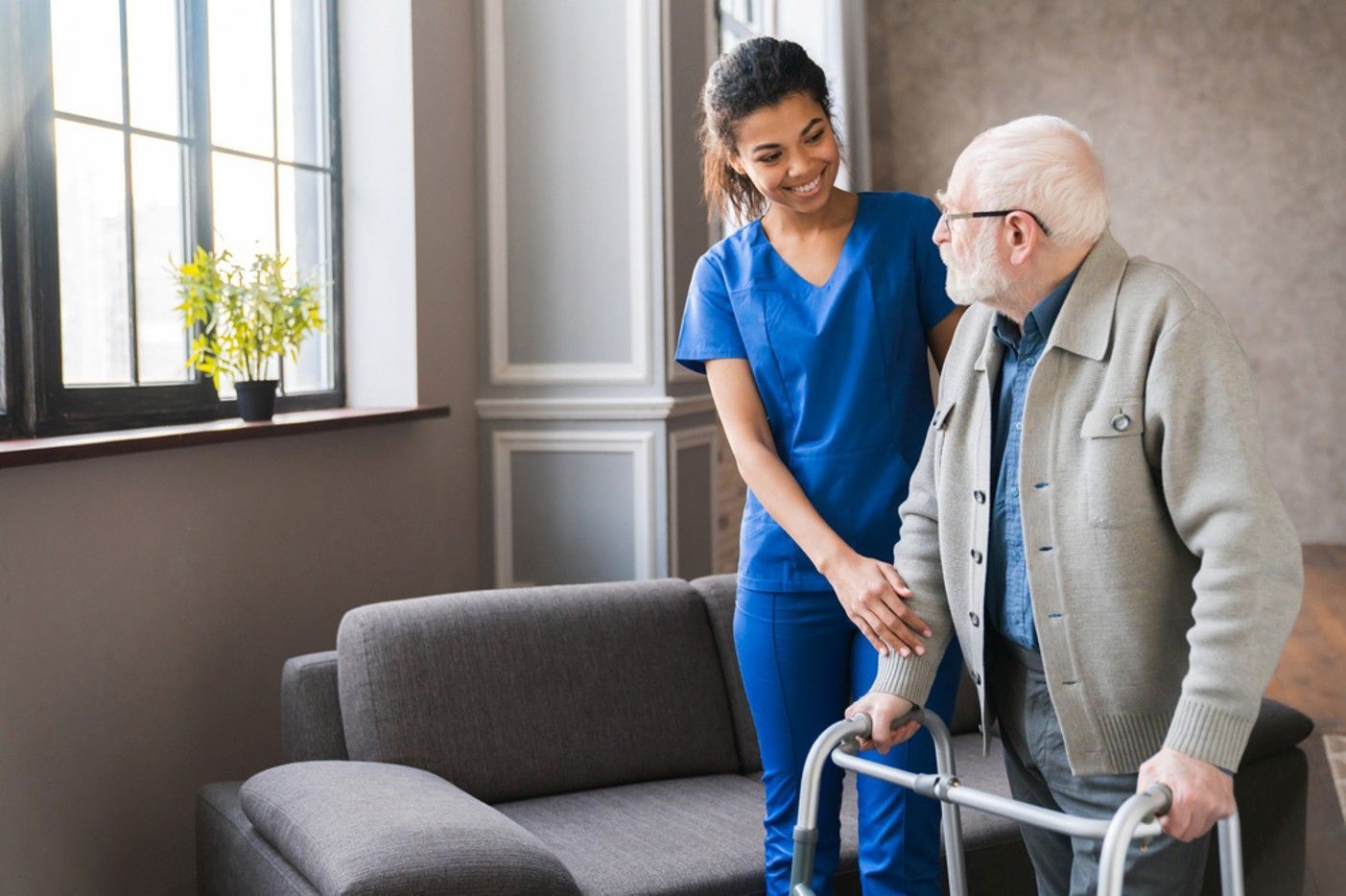
Home Health Aides (HHAs) provide valuable daily support by helping seniors move safely throughout the home. They assist with personal care, mobility, and routine activities while observing changes that could increase fall risk. Their regular presence also helps identify concerns before they become serious problems.
Physical therapists assess balance, muscle strength, walking patterns, and functional mobility. Based on those findings, they develop individualized exercise programs that improve stability and coordination. These exercises help strengthen muscles that support safe movement during everyday activities.
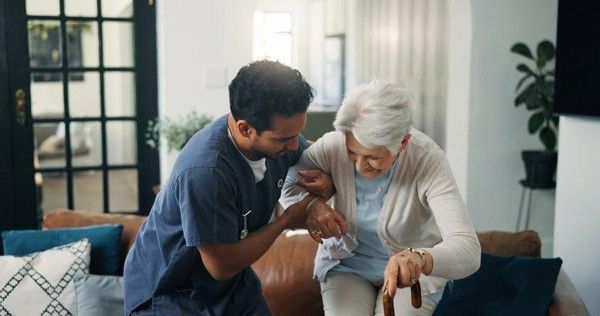
Nurses contribute by monitoring medical conditions that may increase fall risk. They review medications for side effects such as dizziness, fatigue, or changes in blood pressure. They also educate patients about recognizing symptoms that should be reported to a physician.
This team-based approach addresses multiple risk factors at the same time. By improving strength, mobility, medication management, and home safety, home health services help reduce falls while supporting long-term independence.
Occupational therapists focus on helping seniors complete daily tasks safely. They recommend techniques that reduce strain and improve balance while dressing, bathing, cooking, and moving throughout the home. They also evaluate whether adaptive equipment would improve safety and independence.
Who Qualifies for Medicare Home Health Services?
Medicare covers eligible home health services when specific medical requirements are met. These requirements help ensure that skilled services are provided to individuals who need clinical care in their homes. Eligibility depends on medical necessity rather than age alone.
To qualify for Medicare home health services, a patient must:
- Be under the care of a physician.
- Need skilled nursing or therapy services.
- Be homebound, meaning leaving home requires considerable effort or assistance.
- Receive services from a Medicare-certified home health agency.
Meeting these requirements allows eligible individuals to receive covered skilled services while remaining at home. Coverage decisions are based on physician documentation and clinical evaluations that demonstrate medical necessity. Ongoing documentation also supports continued coverage when additional services are required.
How Home Health Supports Independence and Helps Reduce Fall Risk for Seniors
Fall prevention extends beyond recovering from an injury. Maintaining strength, balance, and confidence allows many seniors to continue participating in daily activities safely. Consistent support also helps reduce avoidable hospital visits and emergency room admissions.
Education plays an important role in long-term success. Nurses and therapists teach patients and family caregivers how to recognize fall risks, use mobility equipment correctly, and maintain safer daily routines. These practical skills continue benefiting individuals long after home health visits have ended.
Regular reassessments also allow clinicians to adjust care plans as needs change. As mobility improves or medical conditions evolve, treatment goals and recommendations can be updated to provide continued support. This personalized approach helps seniors remain as independent as possible while reducing future fall risks.
Helping Seniors Stay Safe at Home
At CritiCare, we help patients receive the skilled nursing and therapy services they need to remain safe at home. We work closely with physicians to develop individualized care plans, monitor progress, and support safer mobility through evidence-based home health services.
Contact CritiCare today to learn how our home health team can help reduce fall risk and support greater independence.