
Why Diabetic Foot Care Matters: Preventing Serious Complications Before They Start

JoAnna Schade CritiCare Administrator
Diabetes affects many parts of the body, often in ways that are not immediately noticeable. Proper diabetic foot care plays an important role in preventing complications that can develop over time. While many people focus on blood sugar management, foot health deserves equal attention.
Even minor foot problems can become serious when diabetes is involved. A small cut, blister, or ingrown toenail may lead to complications if it is not addressed promptly. Regular foot care and ongoing monitoring can help reduce risks and support long-term health.
Why Diabetic Foot Care Is So Important
One of the reasons diabetic foot care is essential involves circulation. Diabetes can affect small blood vessels throughout the body, a condition known as microvascular disease. Reduced circulation may limit the body's ability to deliver oxygen and nutrients to tissues, especially in the feet.
When blood flow decreases, wounds may take longer to heal. Slow healing increases the risk of infection and other complications. At the same time, diabetes can damage nerves, reducing sensation in the feet. This condition, known as diabetic neuropathy, may make it difficult to notice injuries when they occur.
A person may develop a blister, cut, or sore without realizing it. Without proper treatment, a seemingly minor issue can become more serious. This combination of reduced circulation and decreased sensation makes routine foot care particularly important for individuals living with diabetes.
Diabetic Foot Care Includes More Than Daily Inspections
Many people associate diabetic foot care with checking the feet for cuts or redness. While daily inspections are important, proper foot care involves much more. Maintaining clean, dry feet helps reduce the risk of skin problems. Wearing properly fitted footwear can help prevent blisters and pressure points. Managing blood sugar levels also contributes to healthier circulation and supports the body's healing processes.
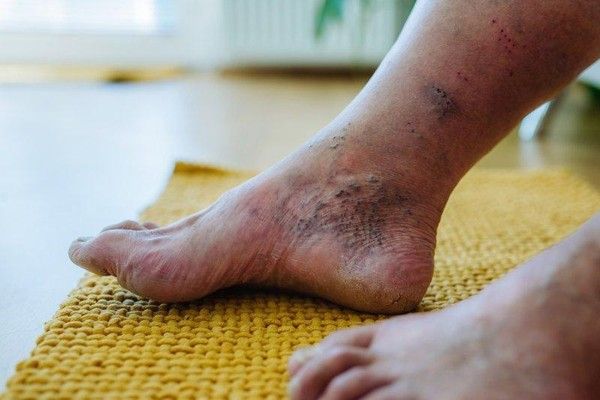
Routine nail care is another important component of diabetic foot care. Something as simple as trimming toenails incorrectly can create problems. Cutting nails too short or rounding the edges may increase the risk of ingrown toenails and skin injuries.
For individuals with reduced sensation, poor circulation, or existing foot conditions, nail care may be safer when performed by a healthcare professional. Regular foot evaluations can also help identify concerns before they become more difficult to treat.
Why Extra Vigilance Matters
People living with diabetes often benefit from being especially attentive to changes in their feet. Small warning signs should never be ignored. Changes in skin color, swelling, persistent pain, numbness, or open wounds may indicate a developing problem. Prompt attention can help prevent complications from progressing.
Many serious diabetic foot complications begin with minor issues. Early intervention often leads to better outcomes and may reduce the need for more extensive treatment later. This is why healthcare providers frequently recommend regular foot assessments as part of an overall diabetes management plan.
Developing a habit of checking the feet each day can make a significant difference. Family members and caregivers may also help monitor foot health when appropriate.
How Medical Professionals Support Diabetic Foot Care
Regular medical appointments play an important role in diabetic foot care. Healthcare providers can evaluate circulation, assess nerve function, and identify potential concerns before symptoms become severe.
Routine visits also provide an opportunity to discuss blood sugar management. Maintaining healthy glucose levels supports circulation and may help reduce the risk of diabetes-related complications.
Individuals should speak with their physician about any changes in foot health, even if they seem minor. Questions about numbness, slow-healing wounds, or recurring foot problems should never be delayed.
Some individuals may qualify for certain preventive foot care services through Medicare. Coverage requirements can vary depending on medical history and specific eligibility criteria. Services such as professional foot evaluations and medically necessary foot care may be available for qualifying individuals. Healthcare providers can help determine eligibility and recommend appropriate care.
Home-Based Support Services
Managing diabetic wounds often requires ongoing attention. For some individuals, receiving care at home can help support consistent monitoring and improve overall health management.
Adult home nursing services may assist individuals who require skilled care related to chronic health conditions. RNs and LPNs can help monitor health status, provide education, and support physician-directed care plans.
Adult home care and personal services may also provide assistance with daily activities that become more difficult due to health concerns. Additional support can help individuals maintain independence while promoting safety and well-being.
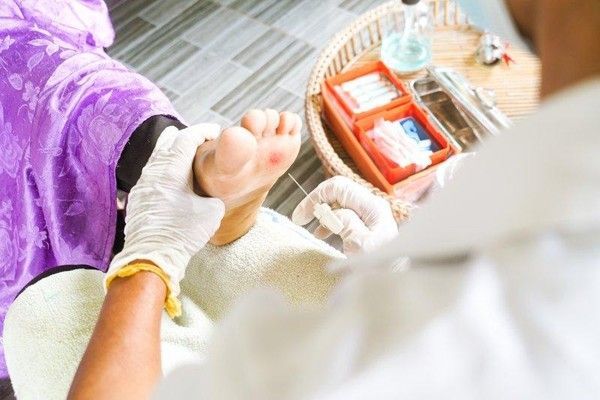
Home-based services can also benefit family caregivers. Having professional support available may help reduce stress while ensuring important health needs receive proper attention. Care coordination between healthcare providers, caregivers, and home care teams helps create a more comprehensive approach to diabetes management.
Building Healthy Habits for Better Diabetic Foot Care
Preventive care remains one of the most effective ways to protect foot health. Consistent habits can help identify concerns early and reduce the likelihood of complications.
Daily foot inspections should become part of a regular routine. Feet should be checked for cuts, blisters, redness, swelling, or changes in skin condition. Proper footwear should be worn both indoors and outdoors to reduce injury risks.
Routine medical appointments are equally important. Regular evaluations allow healthcare providers to monitor circulation, nerve health, and overall diabetes management. Staying informed about diabetes and following physician recommendations can support better long-term outcomes. Small preventive steps often contribute to significant health benefits over time.
Protecting Foot Health Starts With Consistent Care
Diabetes can affect circulation, nerve function, and the body's ability to heal. These changes increase the importance of proper diabetic foot care. Paying attention to foot health, monitoring blood sugar levels, and seeking medical guidance when concerns arise can help prevent serious complications before they start.
At CritiCare, we support individuals managing chronic health conditions through adult home nursing services, and adult home care and personal services. Our team works closely with patients, families, and healthcare providers to promote safe, effective care in the home environment.
Connect with us today to learn how we can help support ongoing health and wellness.