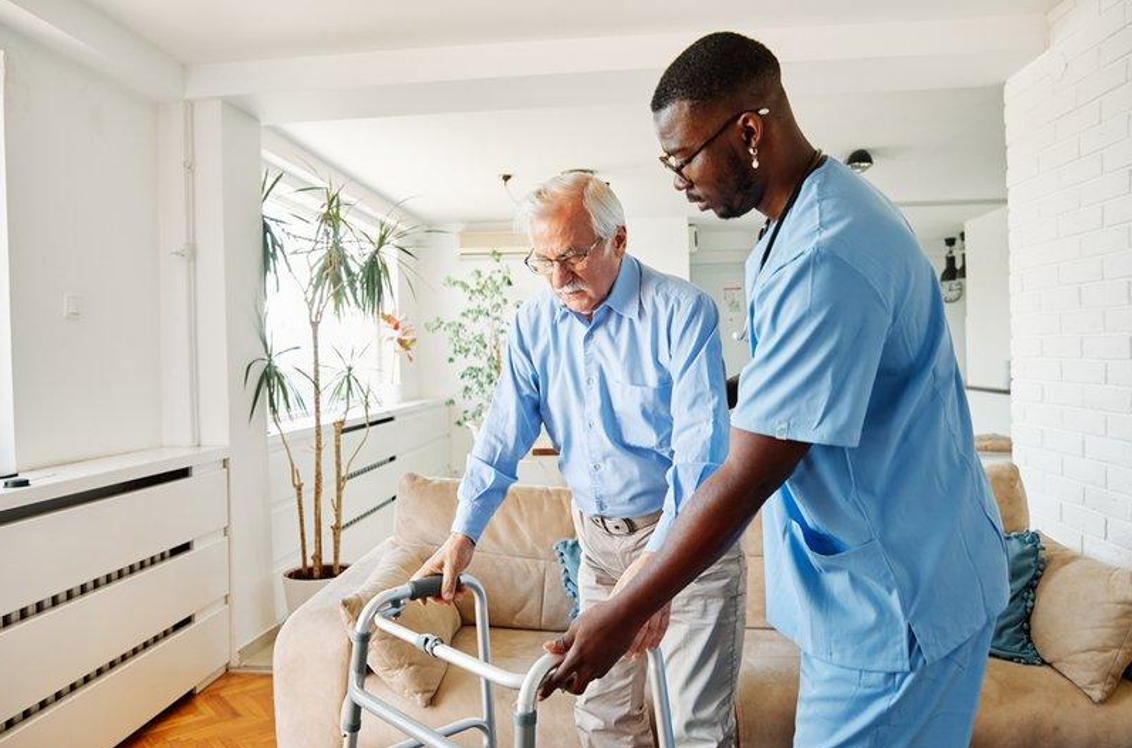
Senior Home Care: Does Your Aging Parent Need It?
Watching a parent grow older often brings new concerns about their health, safety, and independence. Senior home care can provide the right level of support when everyday tasks become difficult or medical needs increase. Recognizing the early signs can help families make informed decisions before a minor problem becomes a crisis.
Many people wonder whether their parent is still safe living alone or whether additional support is necessary. The answer is rarely based on a single event. Instead, it usually comes from noticing gradual changes in physical health, memory, daily routines, and overall well-being.
What Are the Signs a Parent Needs Home Care?
Many families first notice small changes that seem unrelated. Over time, these concerns become more frequent and begin affecting daily life. Paying attention to these warning signs allows families to seek help before safety becomes a serious concern.
Some common signs include:
- Frequent falls or balance problems
- Difficulty bathing or dressing
- Missed medications
- Unopened mail or unpaid bills
- Weight loss or poor nutrition
- Increasing forgetfulness
- Difficulty keeping the home clean
- Trouble preparing meals
- Missed medical appointments
- Social withdrawal or loneliness
One sign alone may not indicate the need for home care. However, several changes occurring together often suggest that additional support would improve both safety and quality of life. Speaking with a physician can also help determine whether these changes are related to an underlying medical condition.

Nature's Symphony
My Parent Can't Live Alone Anymore. How Do I Know?
Many adult children ask themselves this difficult question after a fall, hospitalization, or noticeable decline. In many cases, the decision becomes clearer by evaluating how safely a parent manages everyday activities. Looking at daily routines often provides a more complete picture than focusing on age alone.
A parent may no longer be able to live independently if they struggle with personal care, mobility, medication management, or preparing meals. Driving concerns, wandering, or repeated emergency room visits may also indicate that living alone has become unsafe. These situations often increase stress for both seniors and their families.
Needing assistance does not always mean moving into a care facility. Many seniors continue living comfortably at home with the appropriate combination of skilled nursing, therapy, or personal care services. Home care allows support to be delivered in familiar surroundings while preserving as much independence as possible.
How Do I Know if My Parent Needs a Caregiver?
A caregiver provides practical assistance that helps seniors continue their daily routines safely. Some individuals only require a few hours of help each week, while others benefit from daily support. The appropriate level of care depends on each person's medical and functional needs.
Questions families should ask include:
- Is personal hygiene becoming difficult?
- Is the refrigerator regularly empty or filled with expired food?
- Are medications being taken correctly?
- Has mobility become more difficult?
- Is memory affecting everyday safety?
- Does loneliness affect emotional well-being?
- Has a physician recommended additional assistance?
Answering "yes" to several of these questions may indicate that caregiver support would improve safety and daily living. A professional home care assessment can also identify needs that families may overlook. Early intervention often prevents avoidable hospitalizations and allows seniors to remain at home longer.
How Much Does Senior Home Care Cost?
Cost is one of the first concerns many families have when exploring home care options. The total expense depends on the type of care required, the number of service hours, and where services are provided. Understanding these differences helps families plan more effectively.
Non-skilled personal care is commonly billed by the hour. Nationally, costs vary by location and provider.
Skilled home health services work differently. Medicare and many insurance plans may cover medically necessary skilled nursing, physical therapy, occupational therapy, or speech therapy when eligibility requirements are met. Instead of paying hourly rates, covered patients often receive these intermittent clinical visits with little or no out-of-pocket cost beyond applicable deductibles or coinsurance.
Because every situation is different, families should request a personalized care assessment and detailed cost estimate. This provides a clearer picture of both care needs and available insurance benefits.
How Families Can Budget for Senior Home Care
Planning ahead makes home care more manageable financially. Waiting until an emergency often limits available options and increases stress. Creating a realistic budget allows families to make thoughtful decisions instead of rushed ones.
Several funding sources may help pay for care, including:
- Medicare for eligible skilled home health services
- Medicaid programs for qualifying individuals
- Medicaid waiver programs for long-term personal care
- Long-term care insurance
- Veterans' benefits for eligible veterans
- Private pay
Families should also review existing insurance policies to understand covered services before care begins. Meeting with a care coordinator can help identify available programs and explain eligibility requirements. Exploring every option often reduces unexpected expenses.
Common Mistakes Families Make When Planning Care
Many families delay seeking help because they hope problems will improve on their own. Unfortunately, waiting until after a serious fall or hospitalization often makes recovery more difficult. Early support frequently leads to better outcomes and greater independence.

Nature's Symphony
Another common mistake is assuming every type of home care is covered by Medicare. Skilled nursing and therapy services require medical necessity and specific eligibility requirements.
Some families also underestimate how quickly care needs can change. Starting with a professional assessment allows services to match current needs while providing flexibility as conditions evolve. Regular reassessments also help ensure care plans remain appropriate over time.
Choosing the Right Senior Home Care Services
Selecting the right provider involves more than comparing schedules or pricing. Families should ask about caregiver qualifications, communication practices, individualized care planning, and experience supporting seniors with similar needs. These conversations help ensure services match both medical and personal goals.
It is also important to understand the difference between skilled home health services and non-skilled personal care. Some individuals benefit from nursing or therapy following an illness or hospitalization. Others require ongoing assistance with bathing, dressing, meal preparation, or mobility to remain safe at home.
A comprehensive assessment provides the best starting point for determining which services are appropriate. It also creates an opportunity to coordinate care with physicians and develop a personalized plan that supports long-term independence.
Helping Seniors Remain Safe and Independent at Home
At CritiCare, we help families determine whether skilled nursing, therapy, or personal care services best meet their loved one's needs. We work closely with physicians, explain available options, and develop individualized care plans that promote safety and independence at home.
Contact CritiCare today to schedule a care assessment and learn how our home care services can support your family.