Keeping Up with CritiCare

Learn how home health services help reduce fall risk for seniors through nursing, therapy, home safety, and Medicare-covered care.

Learn how insurance evaluates skilled and non-skilled care, why physician orders matter, and what services may qualify for coverage.
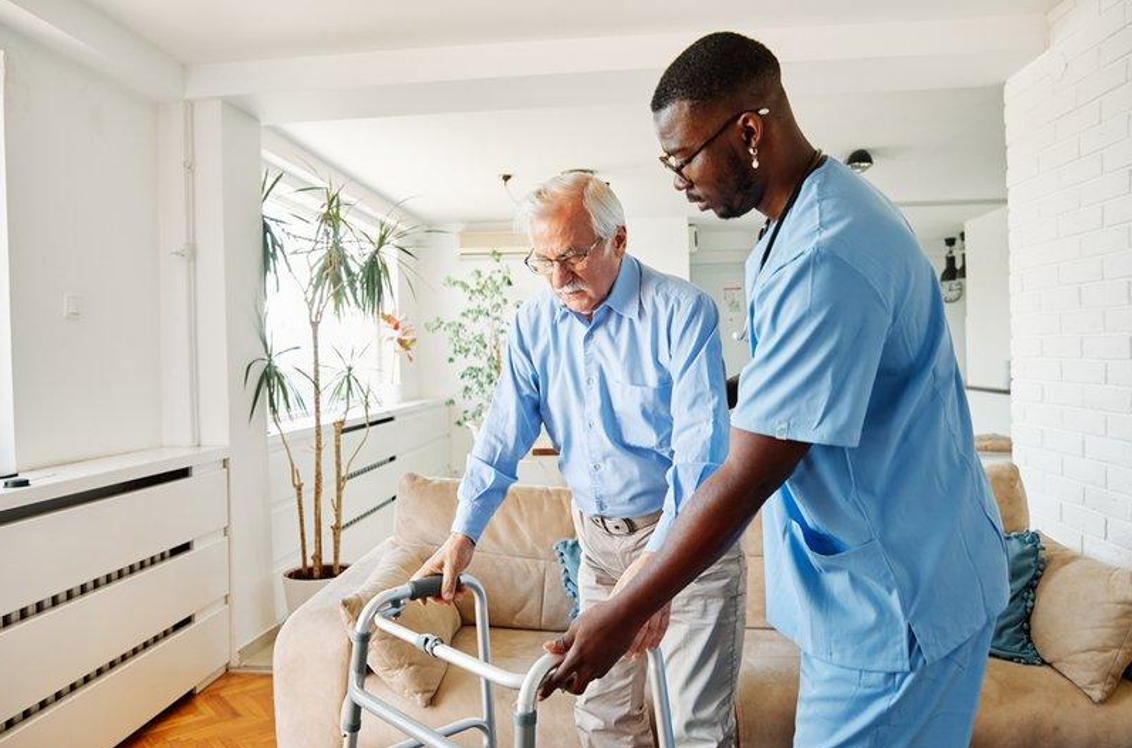
Choosing the right type of care can affect safety, recovery, and long-term health. Skilled and non-skilled care often work together, but each serves a different purpose. Knowing the difference helps families and care teams make informed decisions that match a person's medical and daily living needs. Many people assume that all home care services provide the same level of support. In reality, some services require clinical expertise, while others focus on helping with everyday activities. The level of care depends on a person's medical condition, physician's orders, and functional abilities.

The weeks before a new school year often bring excitement, anticipation, and a long list of preparations. Choosing support for a child who needs additional assistance adds another important decision for families. Finding the right provider requires careful planning because every child has unique strengths, challenges, and goals. Support can take many forms depending on a child's needs. Some children benefit from academic or behavioral assistance, while others require therapy, skilled nursing, or personal care services. Asking the right questions before selecting a provider helps ensure children receive services that promote confidence, safety, and success throughout the school year.

Discover three self-care tips that can help caregivers prevent burnout, protect their well-being, and continue providing quality care for their loved ones.

Learn when a home health nurse may be needed, the benefits of skilled nursing care at home, and who may qualify for Medicare-covered home health services.

Understand key health risks you can't control—age, genetics, and more. In this article, learn how to stay proactive with preventive care.
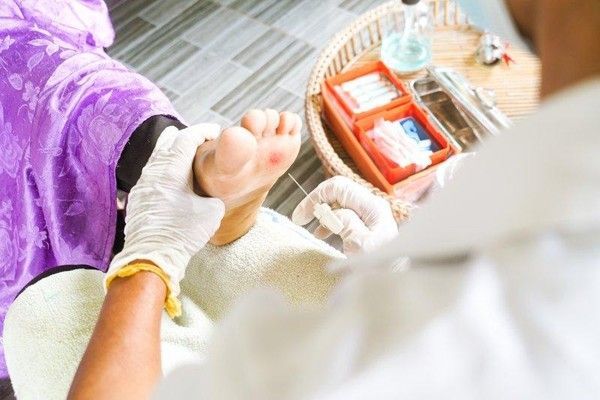
Learn why diabetic foot care is essential for preventing serious complications, improving circulation awareness, and protecting long-term foot health.

Learn how to get a school nurse in Pennsylvania, including insurance approvals, Medicaid coverage, and skilled nursing services.

Learn how to access childcare services during summer break, navigate insurance authorization, and obtain the support your child needs when school is out.