Home Care for Children in Need: Skilled Support for Families Facing Unique Challenges
Caring for a child with special medical or developmental needs requires patience, understanding, and specialized skills. This responsibility can be overwhelming for families without a dedicated caregiver, such as households where both parents must work to cover medical costs. The constant worry and stress about a child’s well-being can weigh heavily, affecting family life and the caregivers' mental health. Even families with a stay-at-home parent may need help, as supporting a child with unique needs can be complex and demanding. Accessing professional support, like home care for children in need, can provide families with relief, ensuring competent care for their child’s specific needs and enhancing the quality of family life.
Why Home Care for Children in Need Is Vital
Aside from medical assistance, home care services provide a structured, supportive approach tailored to each child’s specific health and developmental needs. This individualized care helps families in various ways, from managing complex medical needs to offering emotional support. At CritiCare, we understand the challenges families face and aim to provide compassionate, specialized care that supports children’s well-being while giving parents the peace of mind they deserve.
Balancing Work and Caregiving Responsibilities
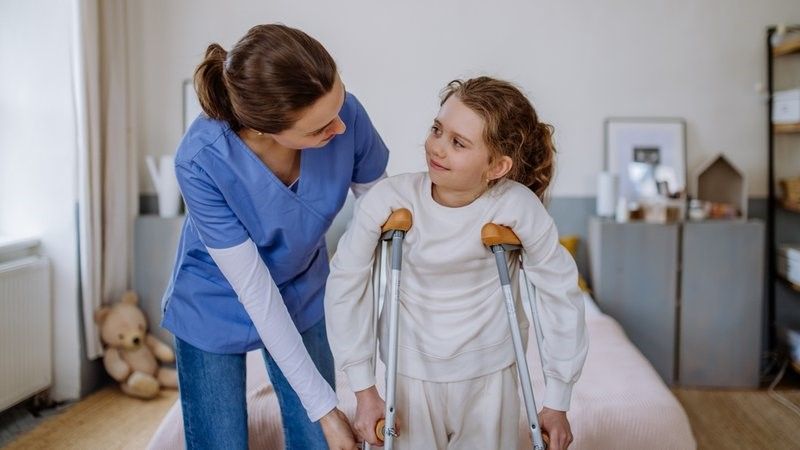
When both parents are employed, managing the demanding care a child with special needs requires can be overwhelming. Home care for children in need offers a solution by ensuring a skilled professional is present to handle daily care routines, medical monitoring, and specialized therapies. This alleviates the burden on working parents who might otherwise face difficult choices between their careers and their child’s care needs. Skilled caregivers ensure that a child’s health and developmental progress are attended to, allowing parents to focus on providing for their family without compromising their child’s health.
Supporting Families with Dedicated Caregivers
Even families with a stay-at-home parent or other dedicated caregiver often find that managing a child’s complex care can become isolating and exhausting. The constant attention required can leave little time for the caregiver’s personal needs, potentially leading to burnout. In these situations, pediatric home care services offer essential respite, enabling caregivers to recharge and maintain their own well-being. With a skilled RN or LPN providing regular care, families can receive the support they need to keep their child safe and healthy while preserving family balance.
How Skilled Home Care Can Enhance a Child’s Well-Being
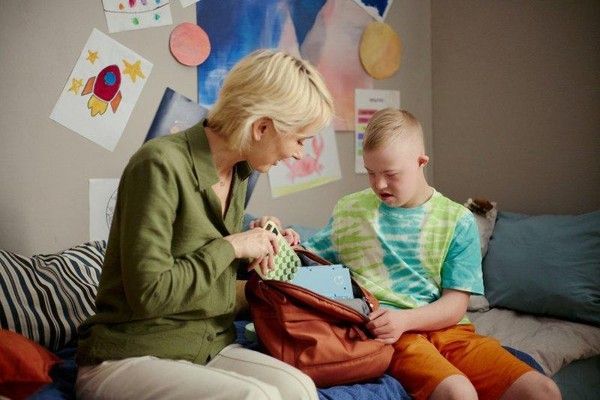
Professionals specializing in pediatric home care provide comprehensive care that promotes both immediate health and long-term developmental growth. Services such as regular nursing, physical therapy, occupational therapy, and speech therapy can all be provided in the comfort of the child’s home. This approach helps children feel more comfortable and secure, as they receive care in a familiar environment, surrounded by loved ones.
Benefits of Pediatric Home Care for Development
Skilled home care isn’t just about medical monitoring. It’s also about providing an enriching environment that encourages development. For instance, a registered nurse (RN) trained in pediatric care may implement physical exercises to enhance motor skills or use cognitive games that help children develop problem-solving abilities. This holistic approach helps children achieve developmental milestones and supports emotional well-being, creating a positive impact on their overall growth.
Alleviating Family Stress and Providing Peace of Mind
One of the greatest advantages of home care for children in need is the emotional relief it provides families. Knowing that a skilled caregiver is present offers families peace of mind, allowing them to focus on other responsibilities or simply take a moment to recharge. When families know their child is in capable hands, they can focus on the big picture and enjoy quality time together, knowing their child’s immediate needs are well managed.
The Role of Home Care Professionals: More Than Caregivers
Home care professionals, especially RNs and LPNs, bring a wealth of expertise to each family they serve. Their role goes beyond basic care—they become advocates, partners, and sources of emotional support for families. Here’s how skilled professionals make a difference:
- Medical Expertise: Trained to manage complex health needs, they administer medications, monitor symptoms, and respond quickly to medical issues, ensuring each child’s health is meticulously maintained.
- Emotional Support: By building trusting relationships with both the child and family, caregivers create a safe and comforting environment that supports the child’s emotional health.
- Advocacy and Coordination: Skilled home care professionals communicate with other healthcare providers and advocate for any additional resources the family may need. They ensure each family’s voice is heard in healthcare decisions, empowering parents to be active participants in their child’s care.
These caregivers become integral parts of the families they serve, providing skilled medical support, empathy, understanding, and encouragement.

Ensuring Long-Term Support for Families and Children
Home care services provide temporary relief and support long-term family well-being. By fostering a stable care environment, families can establish routines that help children feel secure, making it easier to manage daily life. Over time, the stability and structure provided by skilled caregivers can contribute to a sense of normalcy that is essential for both children’s development and family dynamics.
Embracing the Benefits of Home Care for Children in Need
Accessing skilled home care for children in need can transform a family’s quality of life. At CritiCare, we provide pediatric home care that’s both compassionate and highly specialized. Our team of RNs and LPNs is dedicated to addressing each child’s unique needs, offering services that promote their growth and provide peace of mind for families. From medical care and therapeutic services to providing a reassuring presence in the home, our caregivers play a pivotal role in the lives of families and children.
Whether your family is managing complex medical care or simply in need of additional support, pediatric home care can provide a balanced solution that meets both your child’s needs and your family’s well-being.
Contact CritiCare to learn more about our offerings and join our community of families who trust us to provide skilled, compassionate care.