Summertime Safety
Tips to Protect Ourselves From the Heat
As we celebrate National Safety Month in June, it’s the ideal time to review basic guidelines to prevent heat related illnesses now that summer is fully underway. The following guidelines are for all of CritiCare’s employees, including our School Nurses, Skilled Nurses, Personal Care Assistants (PCA’s), Home Health Aids and Companions. This article's goals are to lessen injury-causing factors, increase awareness of the issue, and provide information on workplace health and safety during this season.
According to OSHA, every year thousands become ill while working in hot or humid conditions. Being constantly aware of your surroundings is the greatest strategy to minimize this. Knowing the weather in your location will help you prepare for the day ahead, especially if there are any severe weather warnings such as those for excessive heat.
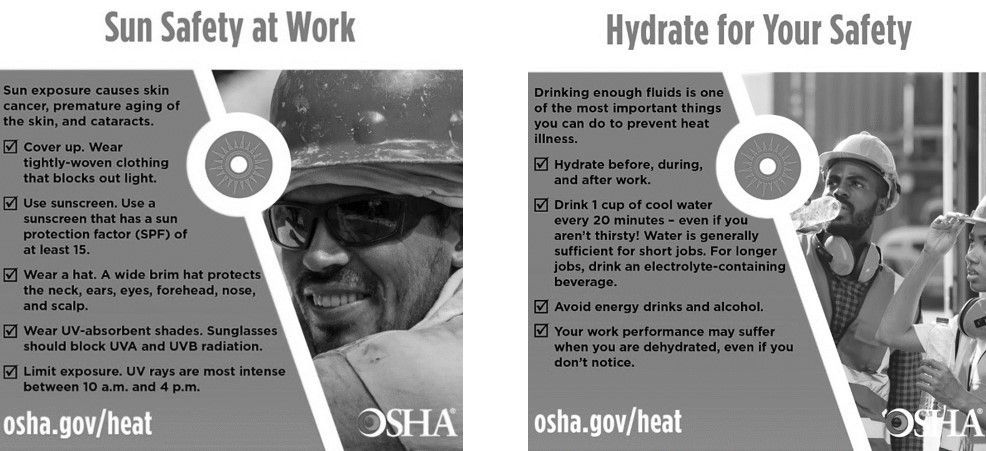
One of the most crucial things you can do to avoid getting sick from the heat, according to OSHA, is to remain hydrated. You should always carry a water bottle with you in the summer months! Additionally, OSHA reminds us that if we know we’ll be spending time outside during the day, we should remember to bring sunscreen and sunglasses to prevent UV exposure. The American Academy of Dermatology Association recommends using a sunscreen with an SPF of at least 30.
Our PCAs and nurses who work in schools should exercise extra caution throughout the summer months. Since many of the schools and buses in our area do not have air conditioning, it may get rather hot inside the buildings and on the bus. Again, we need to stay aware of the area we are visiting because we might not be familiar with every setting. Wearing comfortable and light clothing along with always having access to water during the workday is something everyone should practice.
Additionally, it is crucial that our staff members who provide care to patients and clients directly follow the same instructions to help everyone survive the heat. Being aware of your patient or client’s condition will allow you to have an idea about they can handle the sun. We want to make sure that everyone at CritiCare, employees and clients, are hydrated and safe during these warmer months. Included below are posters sharing OSHA’s safety tips for the heat.
We at CritiCare have talked about some general safety advice to give to all of our staff members. Here is a list that was made jointly and is being shared with you.
Always be aware of your surroundings
Limit time in the sun! Get to a cooler place if you are feeling to hot
Educate yourself on new areas you may be going to for work
Have your phone charged in case of an emergency
Set notifications for weather alerts on your phone
Call 911 if there is ever an emergency
Bring extra snacks and water for the work day
Make sure your patients and clients have water for their day
References:
“Sunscreen FAQs”, The American Academy of Dermatology Association Accessed May 15, 2023. https://www.aad.org/media/stats- sunscreen#:~:text=Dermatologists%20recommend%20using%20a%20sunscreen,of%20the%20sun's%20UVB%20rays.
"Occupational Safety and Health Administration - Heat Illness Prevention." United States Department of Labor. Accessed May 15, 2023. https://www.osha.gov/heatNew Paragraph