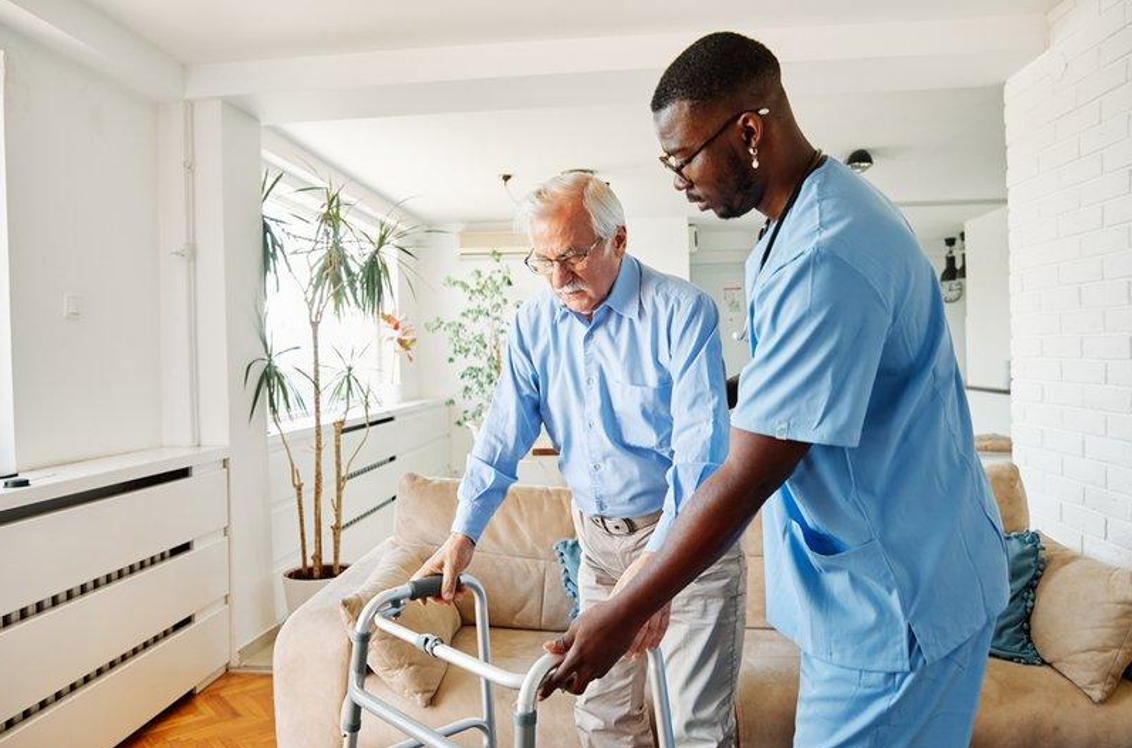
The Heart of a Caregiver: Why Your Compassion Can Change a Life
Compassion is more than a feeling. It’s a force that can shape lives, mend emotional wounds, and offer light in moments of uncertainty. In the world of adult home care, compassion becomes the backbone of healing and dignity. Every day, caregivers step into homes not just to provide health support, but to foster connection, trust, and human warmth. The value of these efforts cannot be overstated.
The Power of Adult Home Care Rooted in Compassion
Adult home care allows individuals with special needs, or age-related challenges to remain in the comfort of their homes while receiving the personalized care they need. But what transforms this support from a service into a lifeline is the emotional connection forged between caregivers and those they serve.
Seniors facing memory loss, adults adjusting to life post-surgery, or individuals managing long-term health conditions often grapple with emotional isolation as much as physical hardship. Compassionate caregiving helps bridge that gap. It restores a sense of agency, comfort, and hope. When a caregiver remembers a favorite song, offers a reassuring hand during difficult moments, or simply sits and listens, those moments create meaning far beyond routine clinical care.
Caregivers as Companions and Advocates
Caregivers providing adult home care are often seen as essential aides, but their impact goes far deeper. They serve as trusted companions and advocates, attuned to the evolving needs of those they assist.
A caregiver might notice that a client is eating less than usual, showing early signs of depression, or struggling with new medication side effects. While a medical chart may track vitals, a caregiver’s presence uncovers these subtleties. That advocacy makes all the difference in early interventions and proactive support.

Moreover, for individuals who no longer have regular contact with friends or family, these caregivers become an emotional anchor. The consistency of care and companionship nurtures self-worth and combats loneliness, a common challenge among seniors and homebound adults.
More Than a Profession—A Calling
There’s a unique rhythm to adult home care. It doesn’t move at the fast pace of a hospital or clinic. Instead, it thrives in daily moments—helping with bathing, assisting with mobility, sharing a cup of tea, or preparing a meal tailored to someone’s dietary needs.
For many caregivers, this rhythm becomes a calling. It draws people who have a deep sense of empathy and a desire to serve. While the tasks may appear simple on the surface, each one is an act of kindness layered with intention. The caregivers who choose this path often describe their work as fulfilling, not because it is easy, but because it is meaningful.
Take, for example, a caregiver who supports a senior living with Parkinson’s disease. Each day might begin with helping the client stretch to improve mobility, ensuring medications are taken on time, and walking together around the block to build strength. But what lingers in memory is often the moment when they share a laugh about a story from decades past or the quiet assurance offered during a tough day.
A Culture of Support for Caregivers
Providing adult home care isn’t without its challenges, and caregivers should never be expected to go it alone. Training, emotional support, and ongoing education are essential. That’s why it’s important to have a care agency that values and uplifts its staff.

New caregivers benefit from comprehensive onboarding that prepares them for both the clinical and human sides of the job. From there, mentorship, team meetings, and access to additional training help caregivers grow. Resources are available to help caregivers feel confident and capable.
Beyond training, feeling appreciated goes a long way. A culture that recognizes the emotional labor involved in caregiving builds long-lasting dedication. When caregivers feel valued, it shows in the care they provide.
A Calling Worth Exploring
There are many individuals drawn to the idea of caring for others, but unsure of where to begin. Some may be retired RNs or LPNs looking for more personal connection in their work. Others may be early in their careers, seeking a role where they can make a tangible difference. And still others may have cared for family members and discovered a passion they hadn’t yet pursued professionally.
Adult home care offers an entry point into a profession rich with human connection. It’s a space where compassion is just as important as clinical skill, and where every day brings the opportunity to change a life.
At CritiCare, we aim to support this kind of impact. From adult home nursing to personal care services, our team is committed to delivering excellence in both health and heart. We believe that caregivers are at the center of that mission.
If you’re ready to bring your compassion to a role that truly matters, consider joining us. Apply here.