Being A Nurse Today
An Appreciation Post
CritiCare Home Health and Nursing Services would not be as successful without the hard working and dedicated healthcare workers on our team. We will celebrate and honor the first responders to the COVID-19 pandemic, which forever altered the field of health care on May 6th, which is National Nurses Day, Nursing procedures were significantly impacted by the pandemic. In addition to learning about the virus, it required nurses to quickly transition to new methods, like online platforms.
The impact on school nurses in particular was significant. They have the responsibility of maintaining the faculty's and the students' health and safety. Implementing new safety procedures, such as symptom screening, social distance, and training on COVID-19 protocols, is one of the biggest adjustments school nurses have had to make since COVID.
To commemorate National Nurses Day, here is a first-hand look at some of the experiences and challenges our nurses at CritiCare face post pandemic.
Joanna Schade, RN, Clinical Manager
For 35 years, Joanna Schade has worked as a nurse. She has worked with CritiCare as our Clinical Manager for three years.
In response to how COVID has affected nursing today, Joanna said, “COVID changed so many aspects of nursing! Many student nurses lost their ability to have bedside, hands-on training due to the pandemic. Now they are trying to gain their footing in the fast-paced field of nursing. Nurses lost their ability to work in certain settings due to their desire to not be vaccinated and many were fired after years of service because they did not comply with government regulations."
Additionally, "Nurses needed to go above and beyond with extra precautions when seeing and caring for patients due to the nature of COVID being so contagious. Some nurses were unable to work in their chosen fields – for example school nurses due to the closures – which forced them to pivot and find a different avenue of nursing to work so that they could continue to contribute to the pandemic effort, etc.…”, she said.
When asked about an experience she had being a nurse during the pandemic, Joanna commented, “So many come to mind, but the one that really stands out is the initial pandemic panic when we were trying to figure out how to manage our business during the pandemic. Obtaining the needed PPE to help keep our staff safe so they could work and just the banding together of our staff to forge ahead with an entirely new pandemic centered business plan.”
Kendra Moore, BSN, RN, Case Manager
Kendra Moore has worked as a nurse for 23 years. She has been our Case Manager at CritiCare for two years.
Kendra said, “I have developed a new sort of empathy and adaptability after COVID. The pandemic created new challenges in understanding and supporting a patient's needs, as well as creating new care modalities and policies which shape infection control, a patient's environment and holistic wellness, and a new awareness and action in how we deliver care and make provision for the safety of ourselves and our patients," in response to how COVID has changed being a nurse today. It also created an environment in nursing of working with less, and yet needing to address more. A new type of ingenuity and a "thinking outside the box" has occurred, which, I believe, has caused a "cream to rise to the top" in clinicians."
She shared that her work in a client's home during the pandemic is one of the most memorable experiences for her during this time. Kendra said, “I had the challenge and pleasure of caring for a little girl, with congenital cardiac anomalies, in her home, assisting her to attend school online(virtual), being not only her nurse, but her 1:1 school aide, and expanding my skillset to care for her educational and behavioral needs, as well as her clinical needs. She is also Hispanic and of a migrant family, and so language barriers had to be broken and supported, and cultural respect and needs had to be provided and addressed. It was both very difficult and extremely rewarding. I developed a close-knit relationship with her, her teachers, her healthcare team, and her parents. To this day, we still keep in touch, and we will always remember the type of "family" we became to accomplish what at first seemed daunting and impossible but developed into a beautiful and holistic new type of nursing care. I will never forget her, nor the feelings of gratitude and pride I experienced in being her life!”
Carolyn Borragine, RN, School Nursing Director
Carolyn Borragine has worked as a nurse for over 25 years. She has recently joined CritiCare as our School Nursing Director.
“I believe COVID has changed being a nurse today for a variety of reasons. The biggest change that I have noticed is the shortage of nurses and how many nurses have left the hospital environment. During the pandemic, the nurses were put under a lot of stress because of lack of supplies (we had to become more resourceful and creative to produce different solutions), a heavy workload (with more patients and less staff), and the fear of all the “unknowns” about COVID especially in the beginning. Not to mention the added stress of being exposed to COVID and then potentially acquiring it and then spreading it to your family,” commented Carolyn in response to the impact of COVID.
One of the most memorable experiences for Carolyn during covid was when she was working in a Surgery Center at the start of the pandemic. She said, “We were told that we would only be able to open for Urgent/Emergency Surgeries. We all were worried about getting called in for these surgeries and the new processes and the extra PPE that we weren’t used to wearing, and then possibly getting exposed to COVID. My first case that I was called in for was a patient who had been experiencing pain for a month and was afraid to be seen because of the fear of getting COVID. He was so thankful that we could all help him and that he could finally have the surgery he needed so that he could begin healing. It was really rewarding to be there and know that I was able to help someone in his time of need and that made everything worth it!”
In conclusion, being a nurse today has required adaptability to a whole new level after everything changed in March of 2020. Listed above are just some of the numerous experiences’ healthcare workers had during this challenging and frightening time. This pandemic has highlighted the importance and hard work of nurses everywhere in keeping us safe and healthy. From all of us at CritiCare, with sincere gratitude, we thank you for all you do.
Happy National Nurses Day!
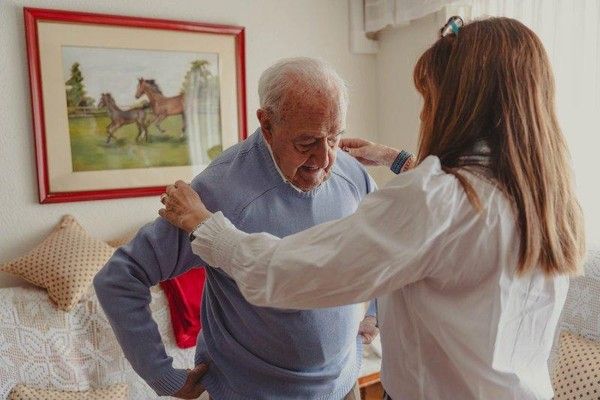
In this article, learn the signs a parent needs senior home care, typical home care costs, and how to budget for the right support.
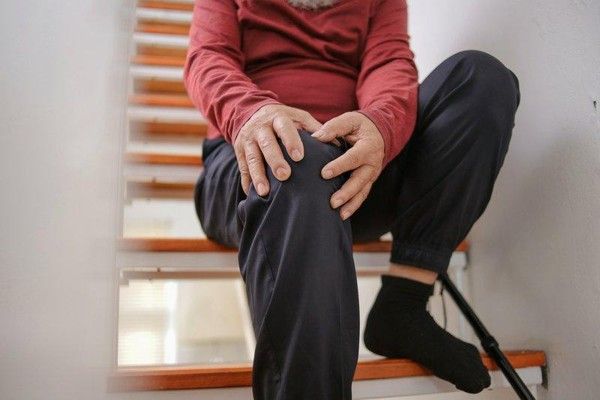
Learn how home health services help reduce fall risk for seniors through nursing, therapy, home safety, and Medicare-covered care.
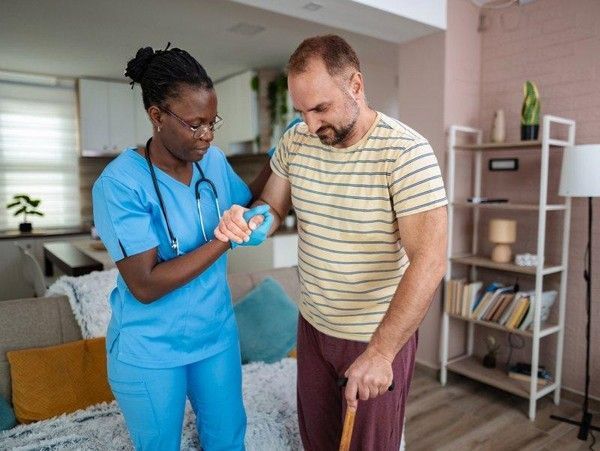
Learn how insurance evaluates skilled and non-skilled care, why physician orders matter, and what services may qualify for coverage.
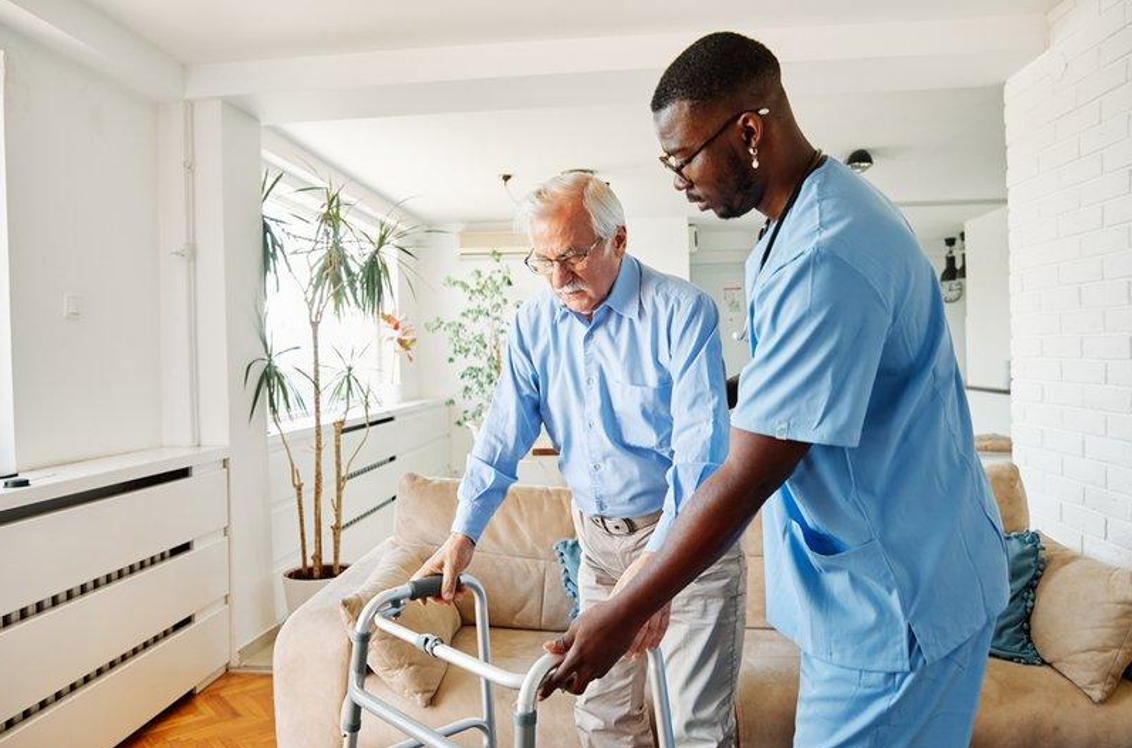
Choosing the right type of care can affect safety, recovery, and long-term health. Skilled and non-skilled care often work together, but each serves a different purpose. Knowing the difference helps families and care teams make informed decisions that match a person's medical and daily living needs. Many people assume that all home care services provide the same level of support. In reality, some services require clinical expertise, while others focus on helping with everyday activities. The level of care depends on a person's medical condition, physician's orders, and functional abilities.
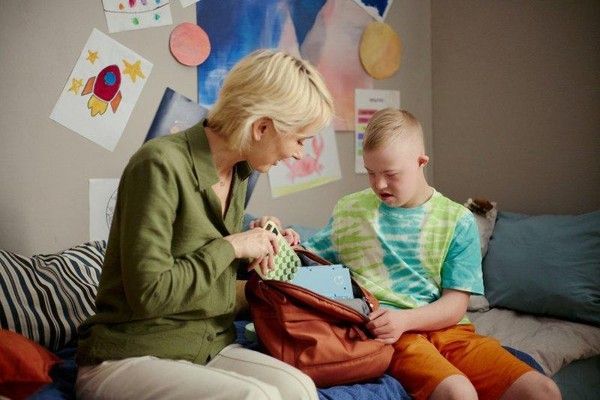
The weeks before a new school year often bring excitement, anticipation, and a long list of preparations. Choosing support for a child who needs additional assistance adds another important decision for families. Finding the right provider requires careful planning because every child has unique strengths, challenges, and goals. Support can take many forms depending on a child's needs. Some children benefit from academic or behavioral assistance, while others require therapy, skilled nursing, or personal care services. Asking the right questions before selecting a provider helps ensure children receive services that promote confidence, safety, and success throughout the school year.

Discover three self-care tips that can help caregivers prevent burnout, protect their well-being, and continue providing quality care for their loved ones.

Learn when a home health nurse may be needed, the benefits of skilled nursing care at home, and who may qualify for Medicare-covered home health services.

Understand key health risks you can't control—age, genetics, and more. In this article, learn how to stay proactive with preventive care.
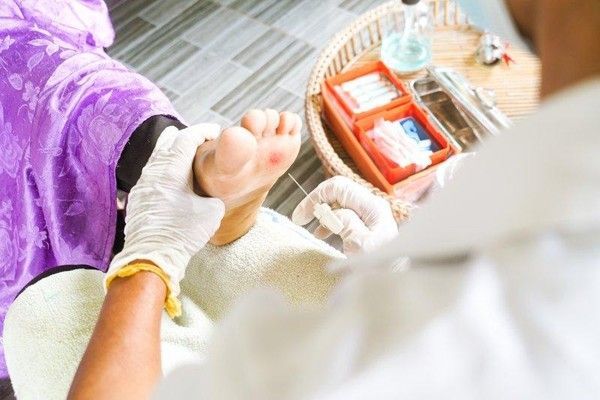
Learn why diabetic foot care is essential for preventing serious complications, improving circulation awareness, and protecting long-term foot health.
Learn how to get a school nurse in Pennsylvania, including insurance approvals, Medicaid coverage, and skilled nursing services.