School Based Behavioral Health
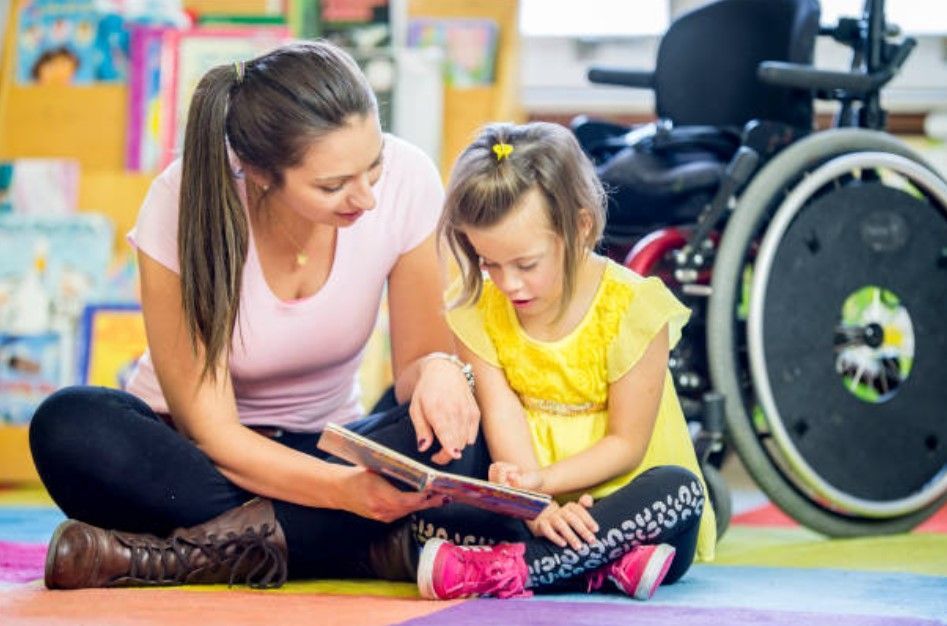
The Impact of Behavioral Health on Learning
Academic Performance: Students with good behavioral health are more likely to perform better in their academics. Better behavioral health allows students the ability to focus more and reach their full potential.
Classroom Environment: “A strong positive classroom environment not only supports students’ academic learning and success, but it also plays a crucial role in their social-emotional learning and development,” according to Creative Classroom Core.
Reduced Behavioral Issues: Encouraging behavioral health can make learning in the classroom more productive by reducing disturbances and disciplinary concerns in the classroom. One common behavior CritiCare Personal Care Assistants have reported is avoidance behaviors, which can be reduced using the strategies below.
Strategies Our Caregivers Can Practice Encouraging Behavioral Health
Create a Safe Space: Learning to empathize will ensure that your student feels comfortable speaking without fear of being judged. This "safe space" will be created by encouraging your students to talk to you about their feelings.
Encourage Physical Activity: The benefits of physical activity include improved cognitive performance in students and reduced behaviors. Gym class is a great way for our caregivers to encourage physical activity or at recess. When working with your student in the classroom, you can also discuss with the teacher implementing movement breaks or taking a hallway walk.
Professional Development: The Department of Human Services (School-Based Behavioral Health (pa.gov)) is one of many websites with educational materials about behavioral health in the classroom specifically. Everyone in the classroom can benefit from a more positive environment if you continue to educate behavioral health issues in students.
Regular Check-Ins: As you work on your assignment, it's an excellent strategy to start practicing the method of regularly checking in with the student you work with. This will help build a better rapport with your client. This way, your student can address any worries they may have as a result. Our nurses and aides' goal when they work in the classroom is to help the students, and this will do just that.
To conclude, learning the importance of behavioral health is crucial when working in a in a school setting. When students feel emotionally and mentally supported, especially by their caregiver they are with every school day, they are more likely to do well academically. By implementing strategies like the ones listed in this post, caregivers can help to create a more encouraging environment which can play a role in enhancing the behavioral health of patients and clients.
References
https://creativeclassroomcore.com/creating-a-positive-classroom-culture/
https://classroomdirect.co.uk/blogs/blog/how-the-classroom-environment-can-help-improve-behavior
https://www.caregiversupportservices.com/how-caregivers-can-help-clients-with-behavioral-health/
https://www.cdc.gov/healthyschools/physicalactivity/facts.htm