National Heart Month
February is the designated month to raise awareness about heart health and cardiovascular diseases. CritiCare Home Health and Nursing would like to take this time to educate our caregivers about heart disease prevention techniques, risk factors and healthy lifestyle choices. You can educate your patients on heart health by first learning about it yourself!
You play a vital part in supporting your clients' heart health as a nurse and aide at CritiCare. Patients depend on us to help them and look to their caregivers for guidance frequently. The Centers for Disease Control
states that leading a healthy lifestyle can lower blood pressure, blood cholesterol, and blood sugar levels, all of which can lessen your risk of heart disease. Making healthy habits is the first step towards maintaining a healthy lifestyle. You can start forming the following kinds of habits:
- Healthy Diet: Make a point of cutting back on processed foods and increasing fruit and vegetables in your diet. Additionally, cutting back on salt (sodium) can help lower blood pressure. It's important to make smart drink choices as well. Substitute alcohol and sugary drinks with water.
- Regular Exercise:
A healthy weight is easier to regulate and maintain when you exercise. Aiming for 30 to 60 minutes each day can reduce the risk of heart disease, according to the Mayo Clinic. However, there are advantages to moving for any length of time. You can both achieve this goal by being mindful of how you and your patient can move throughout the day.
o Indoor Exercises: Walking outside is a terrific thing to do on your own or with your client as the weather gets warmer. You should continue to be active even when it's still winter outside. If your schedule allows, you can practice the inside-the-home exercises the CDC suggested to achieve this during the workday.
1. Exercise videos are available online for aerobics, yoga, Pilates and more.2. Work out while watching TV by practicing simple exercises including jumping jacks.3. Housework can also achieve this goal including vacuuming, sweeping, or gardening.
- Don’t Smoke: Smoking cigarettes significantly increases your risk of heart disease. If you smoke, quitting will help lower your risk. To learn ways to help quit, please visit: https://www.cdc.gov/tobacco/.
- Have Regular Checkups: Staying on top of your doctor’s appointments is crucial to supporting your health. By checking your cholesterol, high blood pressure among other things you can keep an eye on your heart.

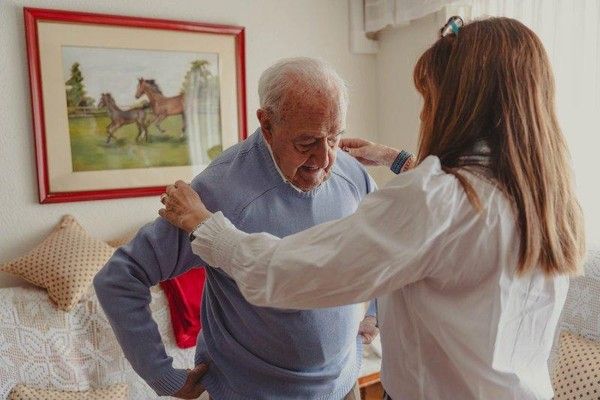
In this article, learn the signs a parent needs senior home care, typical home care costs, and how to budget for the right support.
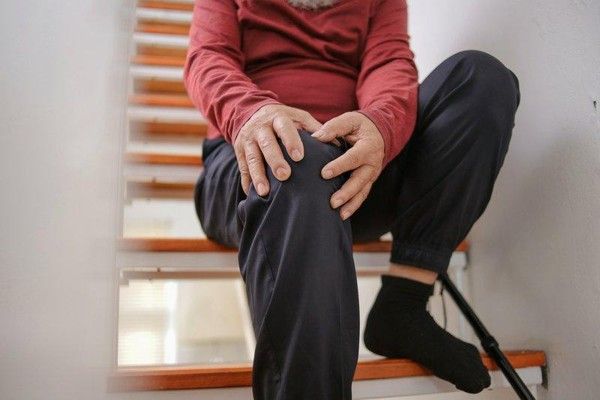
Learn how home health services help reduce fall risk for seniors through nursing, therapy, home safety, and Medicare-covered care.

Learn how insurance evaluates skilled and non-skilled care, why physician orders matter, and what services may qualify for coverage.
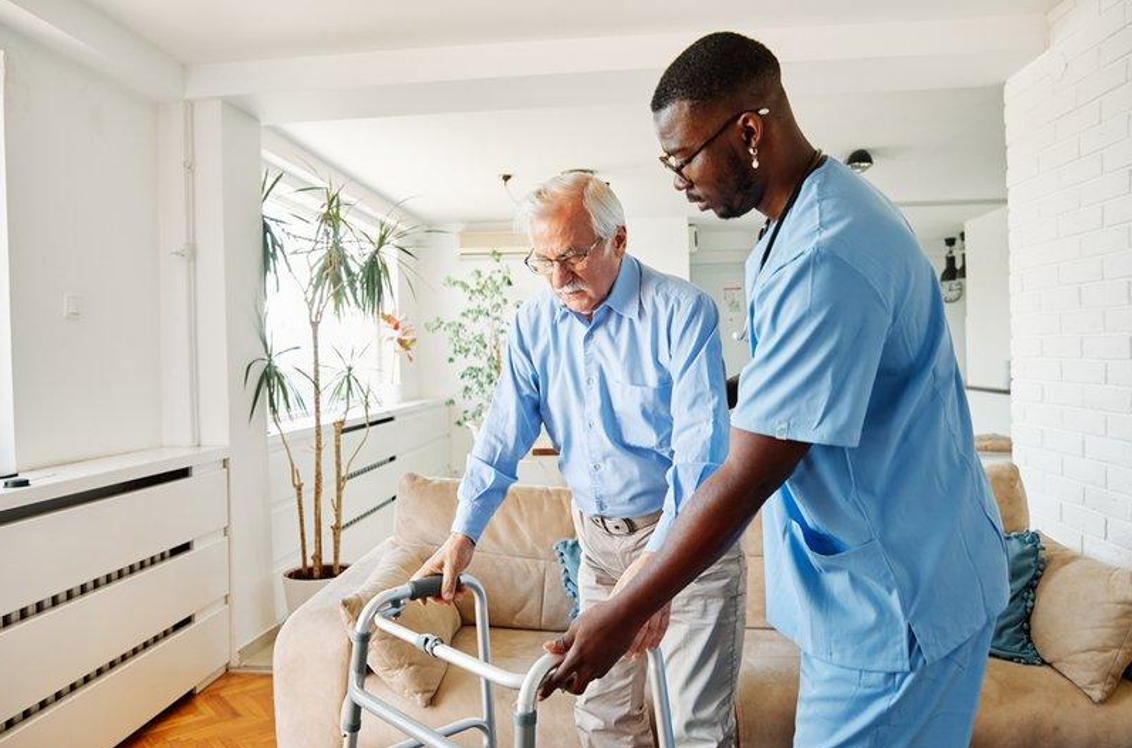
Choosing the right type of care can affect safety, recovery, and long-term health. Skilled and non-skilled care often work together, but each serves a different purpose. Knowing the difference helps families and care teams make informed decisions that match a person's medical and daily living needs. Many people assume that all home care services provide the same level of support. In reality, some services require clinical expertise, while others focus on helping with everyday activities. The level of care depends on a person's medical condition, physician's orders, and functional abilities.

The weeks before a new school year often bring excitement, anticipation, and a long list of preparations. Choosing support for a child who needs additional assistance adds another important decision for families. Finding the right provider requires careful planning because every child has unique strengths, challenges, and goals. Support can take many forms depending on a child's needs. Some children benefit from academic or behavioral assistance, while others require therapy, skilled nursing, or personal care services. Asking the right questions before selecting a provider helps ensure children receive services that promote confidence, safety, and success throughout the school year.

Discover three self-care tips that can help caregivers prevent burnout, protect their well-being, and continue providing quality care for their loved ones.

Learn when a home health nurse may be needed, the benefits of skilled nursing care at home, and who may qualify for Medicare-covered home health services.

Understand key health risks you can't control—age, genetics, and more. In this article, learn how to stay proactive with preventive care.
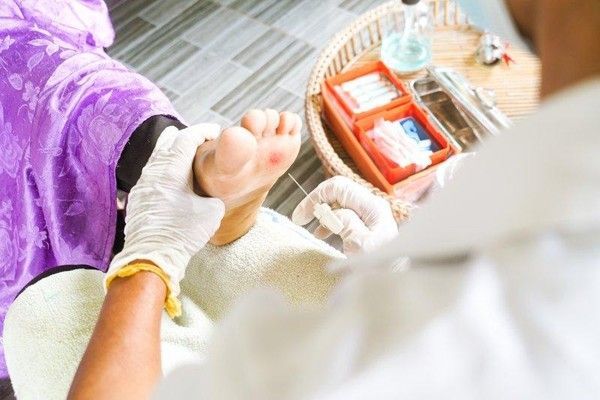
Learn why diabetic foot care is essential for preventing serious complications, improving circulation awareness, and protecting long-term foot health.

Learn how to get a school nurse in Pennsylvania, including insurance approvals, Medicaid coverage, and skilled nursing services.